The Kaya Route: Restoring Kilifi's coastal forests
Kenya
Restoration, Conservation, EducationTH
The Little Environmental Action Foundation(The LEAF)
Kenya
NonprofitThe LEAF Charity is an environmental organization dedicated to planting trees and combating climate and biodiversity crises. The organization works across multiple regions including the Atlantic Forest, mangroves in various locations, and projects in Africa. The LEAF Charity engages communities in tree planting initiatives while offering volunteer opportunities, educational programs, and research initiatives to support its mission of environmental restoration and climate action.
Project story
The East African Coastal Forests are one of the most biodiverse places on earth, and one of the most threatened. In Kilifi County, Kenya, sacred forests are being cleared, mangroves cut for charcoal, and fish stocks depleted as the ecosystems that sustain local communities collapse. LEAF Kenya has spent four years building a proven model to reverse this: community-run nurseries, mangrove restoration, and environmental education that puts local people at the centre of conservation.
Our Land & Work
At Pwani University, we have established ex-situ collections of 264 native coastal species, including 34 threatened with extinction, many never successfully propagated before. In degraded limestone forests at Chasimba and Pangani, community nurseries run by local Giriama and Mijikenda members have planted over 60,000 indigenous trees in-situ since 2022. Along the coast, we have restored over 1,200,000 mangroves with an 80% survival rate, and fisherfolk who once cut mangroves for charcoal now lead restoration teams and report stronger fish catches where we have worked. Sixty people earn a direct income through LEAF Kenya; thousands more benefit indirectly.
CHALLENGES WE FACE
• Climate stress: Prolonged droughts make young seedlings vulnerable, demanding careful monitoring across dispersed sites.
• Ongoing deforestation: Charcoal demand and land clearing continue — we restore at one end while pressure builds at the other.
• Poverty vs. conservation: Communities cannot protect forests they cannot afford to leave alone. Livelihoods and conservation must be built together.
• Rare species propagation: Many threatened coastal species have never been grown in nurseries. Each requires patient, unglamorous research to unlock.
Bartholomew, David & Shaw, Kirsty & Rivers, Malin & Baraka, Patrick & Kigathi, Rose & Wanja, Wincate & Wanjiku, Caroline & Williams, Harry. (2022). Overcoming the challenges of incorporating rare and threatened flora into ecosystem restoration. Restoration Ecology. 31. DOI:10.1111/rec.13849
OUR VISION: THE KAYA ROUTE
We are proposing the Kaya Route, a community-designed restoration corridor linking villages, farms, schools, relic forests, and sacred Kaya sites across Kilifi and Kwale Counties, connecting Arabuko-Sokoke National Park to the Shimba Hills. Every site is chosen with community members. Every nursery is run by local people who are paid for their work. Every restored grove is protected by the elders who consider it sacred.
USE OF FUNDS
Nursery operations & seedling production 35%
Tree planting, monitoring & site management 28%
Community livelihoods, training & incentives 22%
Environmental education in schools 9%
Monitoring, reporting & evaluation 6%
Project updates
Team
The Kaya Route: Restoring Kilifi's coastal forests
Kenya
Restoration, Conservation, Education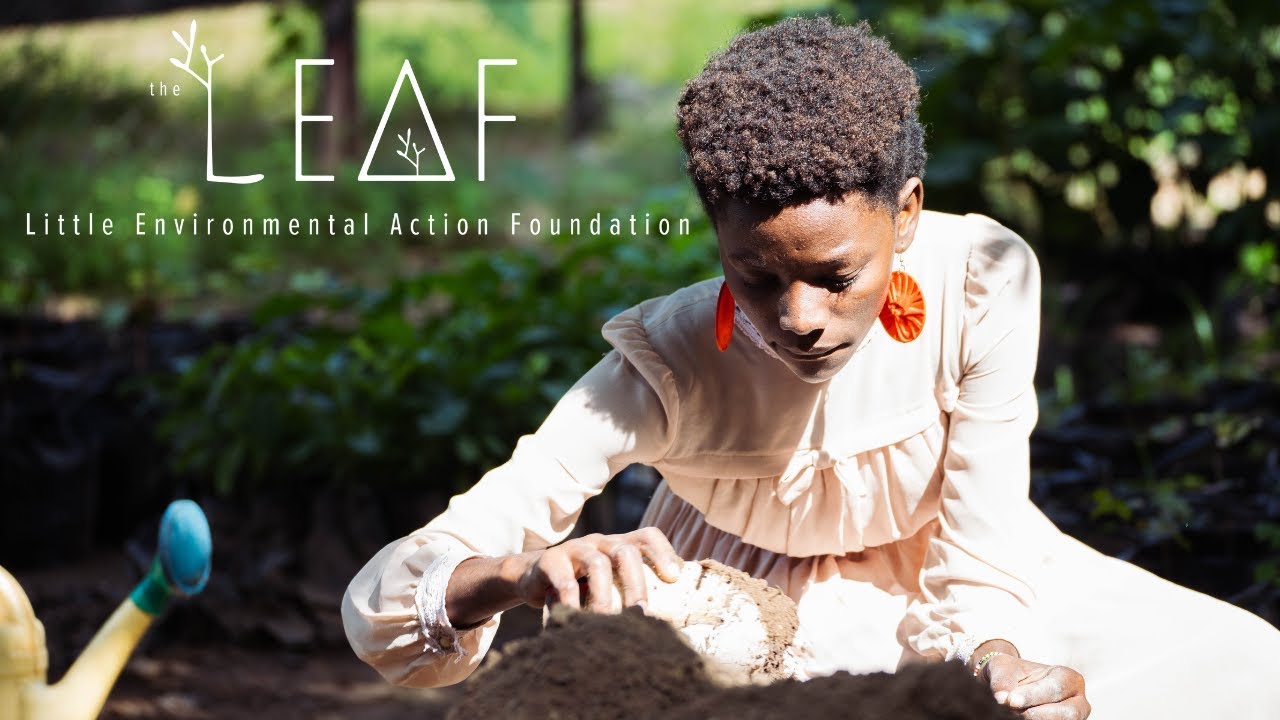
TH
The Little Environmental Action Foundation(The LEAF)
Kenya
NonprofitThe LEAF Charity is an environmental organization dedicated to planting trees and combating climate and biodiversity crises. The organization works across multiple regions including the Atlantic Forest, mangroves in various locations, and projects in Africa. The LEAF Charity engages communities in tree planting initiatives while offering volunteer opportunities, educational programs, and research initiatives to support its mission of environmental restoration and climate action.
Project story
The East African Coastal Forests are one of the most biodiverse places on earth, and one of the most threatened. In Kilifi County, Kenya, sacred forests are being cleared, mangroves cut for charcoal, and fish stocks depleted as the ecosystems that sustain local communities collapse. LEAF Kenya has spent four years building a proven model to reverse this: community-run nurseries, mangrove restoration, and environmental education that puts local people at the centre of conservation.
Our Land & Work
At Pwani University, we have established ex-situ collections of 264 native coastal species, including 34 threatened with extinction, many never successfully propagated before. In degraded limestone forests at Chasimba and Pangani, community nurseries run by local Giriama and Mijikenda members have planted over 60,000 indigenous trees in-situ since 2022. Along the coast, we have restored over 1,200,000 mangroves with an 80% survival rate, and fisherfolk who once cut mangroves for charcoal now lead restoration teams and report stronger fish catches where we have worked. Sixty people earn a direct income through LEAF Kenya; thousands more benefit indirectly.
CHALLENGES WE FACE
• Climate stress: Prolonged droughts make young seedlings vulnerable, demanding careful monitoring across dispersed sites.
• Ongoing deforestation: Charcoal demand and land clearing continue — we restore at one end while pressure builds at the other.
• Poverty vs. conservation: Communities cannot protect forests they cannot afford to leave alone. Livelihoods and conservation must be built together.
• Rare species propagation: Many threatened coastal species have never been grown in nurseries. Each requires patient, unglamorous research to unlock.
Bartholomew, David & Shaw, Kirsty & Rivers, Malin & Baraka, Patrick & Kigathi, Rose & Wanja, Wincate & Wanjiku, Caroline & Williams, Harry. (2022). Overcoming the challenges of incorporating rare and threatened flora into ecosystem restoration. Restoration Ecology. 31. DOI:10.1111/rec.13849
OUR VISION: THE KAYA ROUTE
We are proposing the Kaya Route, a community-designed restoration corridor linking villages, farms, schools, relic forests, and sacred Kaya sites across Kilifi and Kwale Counties, connecting Arabuko-Sokoke National Park to the Shimba Hills. Every site is chosen with community members. Every nursery is run by local people who are paid for their work. Every restored grove is protected by the elders who consider it sacred.
USE OF FUNDS
Nursery operations & seedling production 35%
Tree planting, monitoring & site management 28%
Community livelihoods, training & incentives 22%
Environmental education in schools 9%
Monitoring, reporting & evaluation 6%
Project updates
Team
Location
Kenya
This project was part of
Round 3
Jul 1-21, 2026
Supporting community-led nature projects around the world.
Matching funds provided by


