Reweaving future forests: Upland peoples mending forest fragmentations
Philippines
Restoration, Community, Agriculture$4,148
USDTotal funded by 13 donors with matching
SA
Salumayag Youth Collective for Forests
Philippines
Community Group, Indigenous Group, NonprofitSalumayag Youth Collective for Forests is an Indigenous youth and women-led organization in Bukidnon, Mindanao, Philippines that empowers upland communities in the stewardship of their ancestral lands through regenerative practices and narratives.
GA
GainForest
Switzerland
NonprofitGainForest is a Swiss non-profit building open, community-first tools that give the people protecting our planet the funding, data, and governance power they deserve. We are tech support for nature.
Project story
Reweaving Future Forests: Our Four Strand Approach
We guide our work through a four-strand approach that seeks to reweave future forests - restoring soil vitality, strengthening biodiversity in community-managed spaces, and reconnecting these areas to ancestral forests. This is both an ecological and cultural healing process, mending fragmented lands and renewing relationships.
Strand 1: Farm Boundary Regeneration
Farm boundary regeneration represents our purposive rewilding approach, restoring critical ecological zones while enabling farmers to sustain their livelihoods. We focus on water sources, natural catchments, and vulnerable slopes, creating regenerating zones that encircle cultivated farmlands. Through agroforestry and organic farming methods, we prioritize diverse native species: pillar trees reaching 60 meters and living over 100 years; fire-resilient endemic species; culturally significant forest fruit trees; and palms and rattan that provide wild food and traditional weaving materials.
In 2022, community mapping exercises empowered partner farmers to identify restoration priorities while planning cash crops for income. The following year, we established the lundig - landscape clusters organized by ecological features. This innovation proved transformative: small peer teams rooted in shared landscapes strengthened accountability, collective learning, and mutual support. Today, three lundig continue guiding our work, connecting cultivated land with forest patches and restoring water systems.
Strand 2: Training and Dialogue
Dialogue anchors our approach, rooted in the Manobo tradition of libulung, gathering as equals to discuss shared concerns and aspirations. Our flagship initiative, the Bukidnon Seed Stewards Project, builds capacity among Indigenous farmers, women, and youth to establish community seed sanctuaries for heirloom crops and wild food species.
This initiative has generated unprecedented documentation of seed diversity, established tangible infrastructure including collections of 150+ local varieties and 32 climate-resilient upland rice varieties, and expanded networks across Luzon, Visayas, and Mindanao. Most significantly, communities have renewed their commitment to protecting seeds as cultural heritage, reconnecting food and farming to Indigenous identity.
Strand 3: Environmental Education
Tuun sa Payag ("Learning in the Hut") engages children and youth aged 6 to 17 in hands-on ecological learning grounded in local knowledge. Rather than passive beneficiaries, young people develop ownership through identifying native species, managing nurseries, and supporting monitoring efforts.
We also address the digital divide through environmental storytelling. Indigenous youth increasingly navigate social media pressure and misrepresentation. By centering Indigenous authorship, we ensure narratives remain dignified and rooted in cultural integrity, helping young people carry their identity with pride into the digital age.
Strand 4: Ecopreneurship
Our final strand links ecological restoration to sustainable livelihoods, honoring the Indigenous tradition of pangak-at, communal farm work rooted in reciprocity rather than monetization. We've established a nursery and composting facility, implemented circular practices, and created a community-managed mutual aid fund that finances restoration while supporting farmers during emergencies.
Through these four strands, we gradually reconnect cultivated land with forests, restore water systems, and strengthen the relationships between farmers and the ecosystems that sustain them.
Project updates
Team
Reweaving future forests: Upland peoples mending forest fragmentations
Philippines
Restoration, Community, Agriculture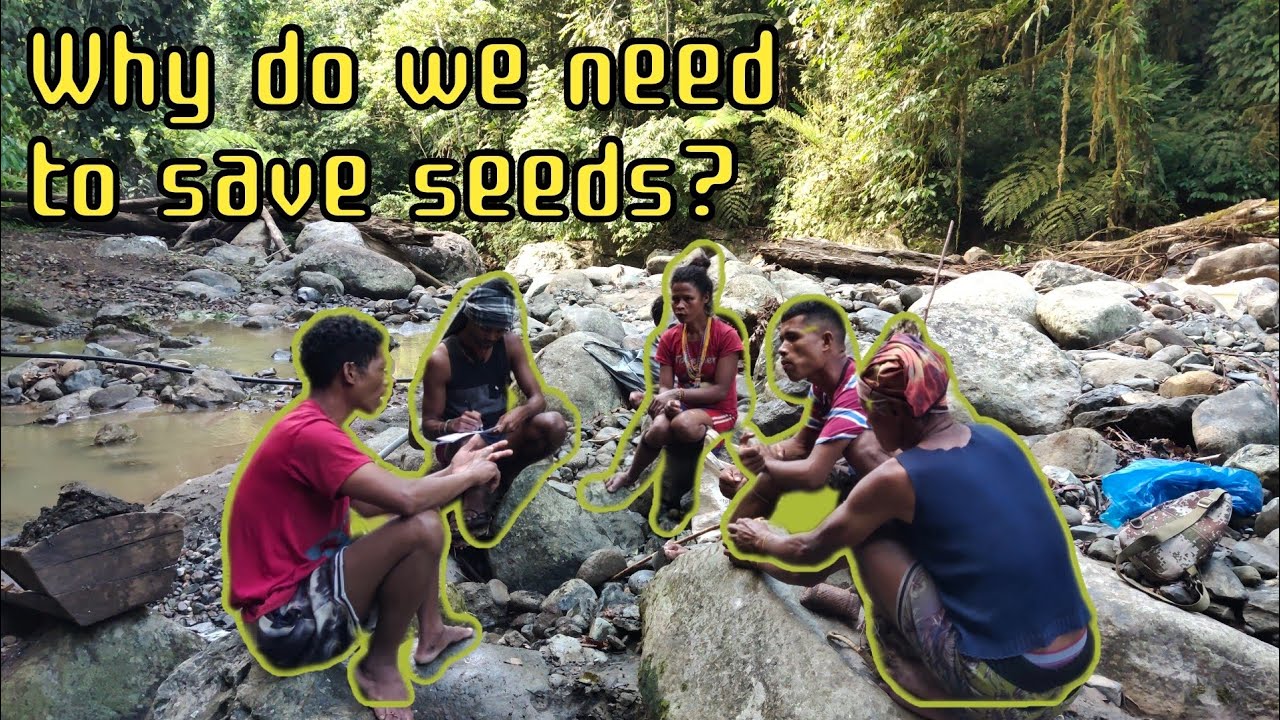
SA
Salumayag Youth Collective for Forests
Philippines
Community Group, Indigenous Group, NonprofitSalumayag Youth Collective for Forests is an Indigenous youth and women-led organization in Bukidnon, Mindanao, Philippines that empowers upland communities in the stewardship of their ancestral lands through regenerative practices and narratives.
GA
GainForest
Switzerland
NonprofitGainForest is a Swiss non-profit building open, community-first tools that give the people protecting our planet the funding, data, and governance power they deserve. We are tech support for nature.
Trusted by
Project story
Reweaving Future Forests: Our Four Strand Approach
We guide our work through a four-strand approach that seeks to reweave future forests - restoring soil vitality, strengthening biodiversity in community-managed spaces, and reconnecting these areas to ancestral forests. This is both an ecological and cultural healing process, mending fragmented lands and renewing relationships.
Strand 1: Farm Boundary Regeneration
Farm boundary regeneration represents our purposive rewilding approach, restoring critical ecological zones while enabling farmers to sustain their livelihoods. We focus on water sources, natural catchments, and vulnerable slopes, creating regenerating zones that encircle cultivated farmlands. Through agroforestry and organic farming methods, we prioritize diverse native species: pillar trees reaching 60 meters and living over 100 years; fire-resilient endemic species; culturally significant forest fruit trees; and palms and rattan that provide wild food and traditional weaving materials.
In 2022, community mapping exercises empowered partner farmers to identify restoration priorities while planning cash crops for income. The following year, we established the lundig - landscape clusters organized by ecological features. This innovation proved transformative: small peer teams rooted in shared landscapes strengthened accountability, collective learning, and mutual support. Today, three lundig continue guiding our work, connecting cultivated land with forest patches and restoring water systems.
Strand 2: Training and Dialogue
Dialogue anchors our approach, rooted in the Manobo tradition of libulung, gathering as equals to discuss shared concerns and aspirations. Our flagship initiative, the Bukidnon Seed Stewards Project, builds capacity among Indigenous farmers, women, and youth to establish community seed sanctuaries for heirloom crops and wild food species.
This initiative has generated unprecedented documentation of seed diversity, established tangible infrastructure including collections of 150+ local varieties and 32 climate-resilient upland rice varieties, and expanded networks across Luzon, Visayas, and Mindanao. Most significantly, communities have renewed their commitment to protecting seeds as cultural heritage, reconnecting food and farming to Indigenous identity.
Strand 3: Environmental Education
Tuun sa Payag ("Learning in the Hut") engages children and youth aged 6 to 17 in hands-on ecological learning grounded in local knowledge. Rather than passive beneficiaries, young people develop ownership through identifying native species, managing nurseries, and supporting monitoring efforts.
We also address the digital divide through environmental storytelling. Indigenous youth increasingly navigate social media pressure and misrepresentation. By centering Indigenous authorship, we ensure narratives remain dignified and rooted in cultural integrity, helping young people carry their identity with pride into the digital age.
Strand 4: Ecopreneurship
Our final strand links ecological restoration to sustainable livelihoods, honoring the Indigenous tradition of pangak-at, communal farm work rooted in reciprocity rather than monetization. We've established a nursery and composting facility, implemented circular practices, and created a community-managed mutual aid fund that finances restoration while supporting farmers during emergencies.
Through these four strands, we gradually reconnect cultivated land with forests, restore water systems, and strengthen the relationships between farmers and the ecosystems that sustain them.
Project updates
Team
This project was part of Round 3
$4,148
USDTotal funded by
Activity
Location
Philippines
This project was part of
Round 3
Jul 1-21, 2026
Supporting community-led nature projects around the world.
Matching funds provided by


