Kyaka II climate leaders: youth and land restoration
Uganda
Restoration, Agriculture, TechnologyHO
HODARI Foundation
Uganda
NonprofitHODARI Foundation is a refugee founded and refugee-led organisation based in Kyaka II refugee settlement in Southwestern Uganda that engages communities through education, agricultural initiatives and enterprise development. The organisation deploys innovative theories of change and a human-centered design approach to support the independence, resilience and empowerment of refugee women and children through agricultural programs, educational initiatives and enterprise development. HODARI Foundation champions diverse segments including unaccompanied minors, those with disabilities, at-risk girls, people living with albinism, the elderly, foster parents, and women and youth in the informal sector. The ultimate goal is to break the cycle of gender inequality, discrimination, poverty, food insecurity, and the adverse impacts of climate change in order to positively transform the lives of vulnerable refugees.
Project story
Uganda hosts nearly two million refugees as per UNHCR & OPM statistics https://data.unhcr.org/en/country/uga , making it the largest refugee-hosting country in Africa. While Uganda continues to demonstrate extraordinary hospitality, refugee-hosting districts such as Kyaka II are facing increasing pressure from climate change, environmental degradation, and declining livelihood opportunities. Refugees and host communities alike remain highly vulnerable as prolonged droughts, floods, deforestation, and soil degradation continue to threaten food systems, water access, and peaceful coexistence.
In Kyaka II Refugee Settlement, the rapid loss of forest cover due to firewood collection, charcoal burning, settlement expansion, and unsustainable agricultural practices has weakened local ecosystems and intensified climate vulnerability. With more than 90% of households relying on biomass energy for cooking, natural resources are being depleted at an alarming rate. This has resulted in reduced agricultural productivity, loss of biodiversity, soil erosion, and growing competition over scarce resources such as land, water, and firewood.
The situation has become even more critical following the reduction in humanitarian food assistance from agencies such as WFP and UNHCR. As families struggle to meet basic household needs, many are forced to overexploit natural resources for survival, increasing environmental destruction and exposing young people to poverty, crime, and hopelessness.
Despite these challenges, young people and women remain powerful yet underutilized agents of climate action and community transformation. HODARI Foundation, a refugee-led organization operating in Uganda, has been actively promoting climate education and regenerative agriculture among vulnerable communities. However, there is an urgent need to scale practical climate adaptation knowledge and establish community demonstration sites where refugee and host communities can learn sustainable farming practices together.
With support from Ma Earth, this project seeks to strengthen climate resilience through community-led climate education, permaculture training, and sustainable land management practices in Kyaka II Refugee Settlement.
Project Goals
1. To empower refugee and host community youth with climate education and regenerative agriculture skills rooted in permaculture ethics and sustainable environmental stewardship.
The project will train 50 young people in climate education, environmental restoration, and permaculture principles, equipping them to become climate ambassadors and local champions for sustainability within their communities.
2. To strengthen food security and sustainable livelihoods for vulnerable women and smallholder farmers through climate-smart agriculture and sustainable land management practices.
The project will support 25 women smallholder farmers with training in sustainable farming methods, soil restoration, agroecology, and good agronomic practices while establishing demonstration gardens for practical learning and long-term community replication.
Key Activities
Conduct climate education and permaculture training sessions for 50 refugee and host community youth.
Train 25 women farmers in sustainable land management and regenerative agricultural practices.
Establish community demonstration sites to promote practical learning and peer-to-peer knowledge sharing.
Facilitate awareness sessions on environmental conservation, ecosystem restoration, and peaceful resource sharing.
Promote youth-led climate leadership and community participation in local environmental action.
Expected Outcomes
Increased climate awareness and environmental stewardship among refugee and host community youth.
Improved adoption of sustainable farming and land restoration practices among women farmers.
Reduced pressure on natural ecosystems through promotion of regenerative agriculture approaches.
Strengthened social cohesion and collaboration between refugee and host communities through shared climate action initiatives.
Enhanced household resilience, food security, and community capacity to adapt to climate change.
Alignment with Sustainable Development Goals
This initiative contributes directly to:
SDG 2: Zero Hunger
SDG 5: Gender Equality
SDG 8: Decent Work and Economic Growth
SDG 15: Life on Land
SDG 17: Partnerships for the Goals
In summery
In refugee settlements like Kyaka II, climate change is not a distant threat it is a daily reality shaping whether families eat, whether children remain hopeful, and whether communities can live peacefully together. Yet within these same communities lies extraordinary resilience, untapped leadership, and a deep willingness to protect the environment when given the opportunity and tools to do so.
This project is more than a climate intervention. It is an investment in dignity, hope, and the power of young people and women to restore both their environment and their future. By supporting this initiative, Ma Earth will not only help regenerate degraded land, but also nurture a generation of refugee and host community climate leaders committed to building greener, safer, and more resilient communities for all.
Project updates
Team
Kyaka II climate leaders: youth and land restoration
Uganda
Restoration, Agriculture, Technology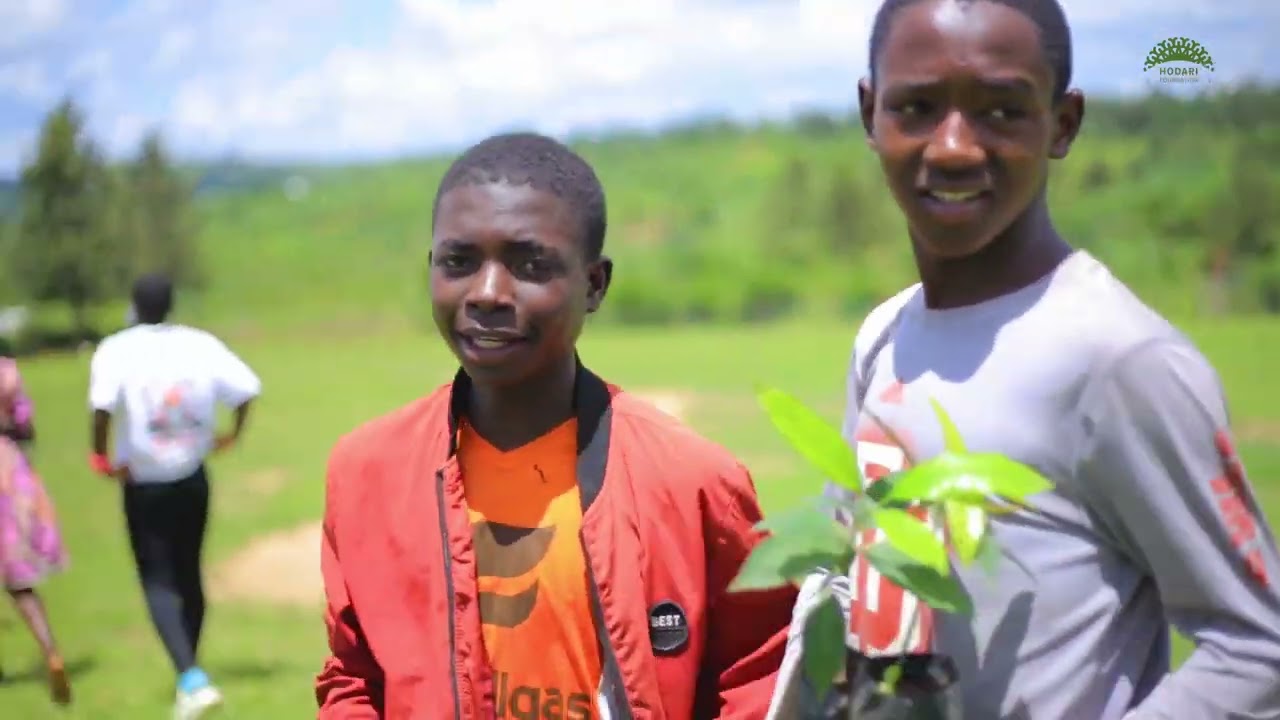
HO
HODARI Foundation
Uganda
NonprofitHODARI Foundation is a refugee founded and refugee-led organisation based in Kyaka II refugee settlement in Southwestern Uganda that engages communities through education, agricultural initiatives and enterprise development. The organisation deploys innovative theories of change and a human-centered design approach to support the independence, resilience and empowerment of refugee women and children through agricultural programs, educational initiatives and enterprise development. HODARI Foundation champions diverse segments including unaccompanied minors, those with disabilities, at-risk girls, people living with albinism, the elderly, foster parents, and women and youth in the informal sector. The ultimate goal is to break the cycle of gender inequality, discrimination, poverty, food insecurity, and the adverse impacts of climate change in order to positively transform the lives of vulnerable refugees.
Project story
Uganda hosts nearly two million refugees as per UNHCR & OPM statistics https://data.unhcr.org/en/country/uga , making it the largest refugee-hosting country in Africa. While Uganda continues to demonstrate extraordinary hospitality, refugee-hosting districts such as Kyaka II are facing increasing pressure from climate change, environmental degradation, and declining livelihood opportunities. Refugees and host communities alike remain highly vulnerable as prolonged droughts, floods, deforestation, and soil degradation continue to threaten food systems, water access, and peaceful coexistence.
In Kyaka II Refugee Settlement, the rapid loss of forest cover due to firewood collection, charcoal burning, settlement expansion, and unsustainable agricultural practices has weakened local ecosystems and intensified climate vulnerability. With more than 90% of households relying on biomass energy for cooking, natural resources are being depleted at an alarming rate. This has resulted in reduced agricultural productivity, loss of biodiversity, soil erosion, and growing competition over scarce resources such as land, water, and firewood.
The situation has become even more critical following the reduction in humanitarian food assistance from agencies such as WFP and UNHCR. As families struggle to meet basic household needs, many are forced to overexploit natural resources for survival, increasing environmental destruction and exposing young people to poverty, crime, and hopelessness.
Despite these challenges, young people and women remain powerful yet underutilized agents of climate action and community transformation. HODARI Foundation, a refugee-led organization operating in Uganda, has been actively promoting climate education and regenerative agriculture among vulnerable communities. However, there is an urgent need to scale practical climate adaptation knowledge and establish community demonstration sites where refugee and host communities can learn sustainable farming practices together.
With support from Ma Earth, this project seeks to strengthen climate resilience through community-led climate education, permaculture training, and sustainable land management practices in Kyaka II Refugee Settlement.
Project Goals
1. To empower refugee and host community youth with climate education and regenerative agriculture skills rooted in permaculture ethics and sustainable environmental stewardship.
The project will train 50 young people in climate education, environmental restoration, and permaculture principles, equipping them to become climate ambassadors and local champions for sustainability within their communities.
2. To strengthen food security and sustainable livelihoods for vulnerable women and smallholder farmers through climate-smart agriculture and sustainable land management practices.
The project will support 25 women smallholder farmers with training in sustainable farming methods, soil restoration, agroecology, and good agronomic practices while establishing demonstration gardens for practical learning and long-term community replication.
Key Activities
Conduct climate education and permaculture training sessions for 50 refugee and host community youth.
Train 25 women farmers in sustainable land management and regenerative agricultural practices.
Establish community demonstration sites to promote practical learning and peer-to-peer knowledge sharing.
Facilitate awareness sessions on environmental conservation, ecosystem restoration, and peaceful resource sharing.
Promote youth-led climate leadership and community participation in local environmental action.
Expected Outcomes
Increased climate awareness and environmental stewardship among refugee and host community youth.
Improved adoption of sustainable farming and land restoration practices among women farmers.
Reduced pressure on natural ecosystems through promotion of regenerative agriculture approaches.
Strengthened social cohesion and collaboration between refugee and host communities through shared climate action initiatives.
Enhanced household resilience, food security, and community capacity to adapt to climate change.
Alignment with Sustainable Development Goals
This initiative contributes directly to:
SDG 2: Zero Hunger
SDG 5: Gender Equality
SDG 8: Decent Work and Economic Growth
SDG 15: Life on Land
SDG 17: Partnerships for the Goals
In summery
In refugee settlements like Kyaka II, climate change is not a distant threat it is a daily reality shaping whether families eat, whether children remain hopeful, and whether communities can live peacefully together. Yet within these same communities lies extraordinary resilience, untapped leadership, and a deep willingness to protect the environment when given the opportunity and tools to do so.
This project is more than a climate intervention. It is an investment in dignity, hope, and the power of young people and women to restore both their environment and their future. By supporting this initiative, Ma Earth will not only help regenerate degraded land, but also nurture a generation of refugee and host community climate leaders committed to building greener, safer, and more resilient communities for all.
Project updates
Team
Location
Uganda