Namma Nellu: restoring traditional rice in Tamil Nadu
India
Agriculture, Conservation, Community$7,288
USDTotal funded by 33 donors with matching
CE
Centre for Indian Knowledge Systems
Tamil Nadu, India
NonprofitCentre for Indian Knowledge Systems (CIKS) is a registered independent trust working in the areas of organic agriculture, biodiversity conservation and Vrkshayurveda (the ancient Indian plant science). The organization has helped approximately 110,000 farming families across eight districts and converted 10,000 hectares of land to sustainable agriculture, while establishing 650 farmers institutions including self-help groups and women-led organizations. CIKS's vision is to conserve agro-biodiversity to ensure food and nutritional security for everyone. Our Namma Nellu ('Our Rice') programme has conserved 178 traditional paddy varieties with agronomic traits of drought tolerance, flood resistance, salinity resistant, pest resilience. We have scientifically validated nutritional and therapeutic properties of these traditional varieties, bridging ancient wisdom and modern science. Mr. Balu, Dr.Viji and other members of the team are the main people behind.
GU
Guardians UK
United Kingdom
NonprofitGuardians UK is a registered charity in England and Wales based in the London Borough of Southwark and Pulborough, West Sussex, dedicated to promoting health and healthy recreation by facilitating public access to green spaces through forest-related activities and supporting protection and regeneration of native woodland in Southeast London and West Sussex. The organization operates a tree nursery containing 1,500 native trees grown from seed or rescued from nearby lands, with the aim of planting thousands of trees across dedicated reforestation and regeneration sites throughout the UK in both urban and rural settings. Their Grange Lane Tree Rescue Hub occupies 0.8 hectares between Dulwich Wood and Grange Lane Allotments, featuring community spaces, an orchard, herb garden, and other facilities to support environmental restoration work.
Project story
Our Land
Tamil Nadu's farming districts carry an agricultural heritage that has, over decades, quietly receded from view. For generations, smallholder farmers here cultivated hundreds of indigenous rice varieties each shaped by local soils, seasonal rhythms, and the knowledge passed down through farming families. The spread of chemical-intensive agriculture and hybrid seed systems has placed much of this diversity under pressure, along with the health of soils, water tables, and the communities who tend them.
This is the land we work in. We are trying, in our modest way, to help steward what remains.
Our Work
Namma Nellu meaning “Our Rice” is a programme of the Centre for Indian Knowledge Systems (CIKS), a Chennai-based organisation that has worked alongside farming communities in Tamil Nadu since 1995. We have had the privilege of collecting and conserving more than 176 traditional paddy varieties, maintained across multiple farm locations so no variety rests in a single vulnerable place.
We try not merely to store seeds, but to grow them, document them, and return them to the farmers who understand them best. Communities guide this work, they are not its beneficiaries but its true custodians.
Our Goals
We hope to gradually expand our farmer network, strengthen decentralised seed production, and deepen our understanding of how traditional varieties respond to the climate pressures farmers face today — erratic rainfall, flooding, drought, pest stress. Each variety conserved is a centuries-old record of quiet adaptation.
Use of Funds
1. Seed Conservation
Support will go toward the conservation of 20 traditional rice varieties selected specifically for their relevance to climate change adaptation. These varieties are drought tolerant, flood resistant, salinity tolerant, and naturally pest resistant, traits that matter more with every passing season.
All 20 varieties will be grown and conserved across two farm sites. Working across two locations is not redundancy. It is insurance. If one site faces crop failure due to weather or other disruption, the other holds what cannot be replaced. Conserving a single variety safely across two sites costs approximately USD 500, and the total cost for all 20 varieties comes to USD 10,000.
2. Quality Seed Production
From within the 20 conserved varieties, ten will be selected for quality seed production based on their climate resilience traits, including drought tolerance, flood resistance, salinity tolerance, and natural pest resistance, and their suitability to the specific topographic and climatic conditions of the region (Tamil Nadu).Each variety will be cultivated across one acre, yielding approximately one metric ton of quality seeds made available to farmers who choose to grow and carry these varieties forward.
Alongside seed production, we will train farmers in quality seed production and organic cultivation practices, and continue our research into the nutritional and agronomic value of these varieties. Producing quality seeds for each of the ten selected varieties costs USD 1,000 per variety, bringing the total seed production cost to USD 10,000.
Our Challenge
Traditional rice varieties exist largely outside the commercial seed system, as well as the state supported agriculture extension systems, which has limited reason to preserve what it cannot sell. They disappear without notice. We believe the resilience encoded in these varieties — to drought, flood, salinity and pest — may prove inherently vital as climate patterns shift.
We are a small team, grateful for the farmers who trust us with this work, and thankful for any support that helps us continue this activity which is in public interest.
Project updates
Team
Donations (35)
Namma Nellu: restoring traditional rice in Tamil Nadu
India
Agriculture, Conservation, Community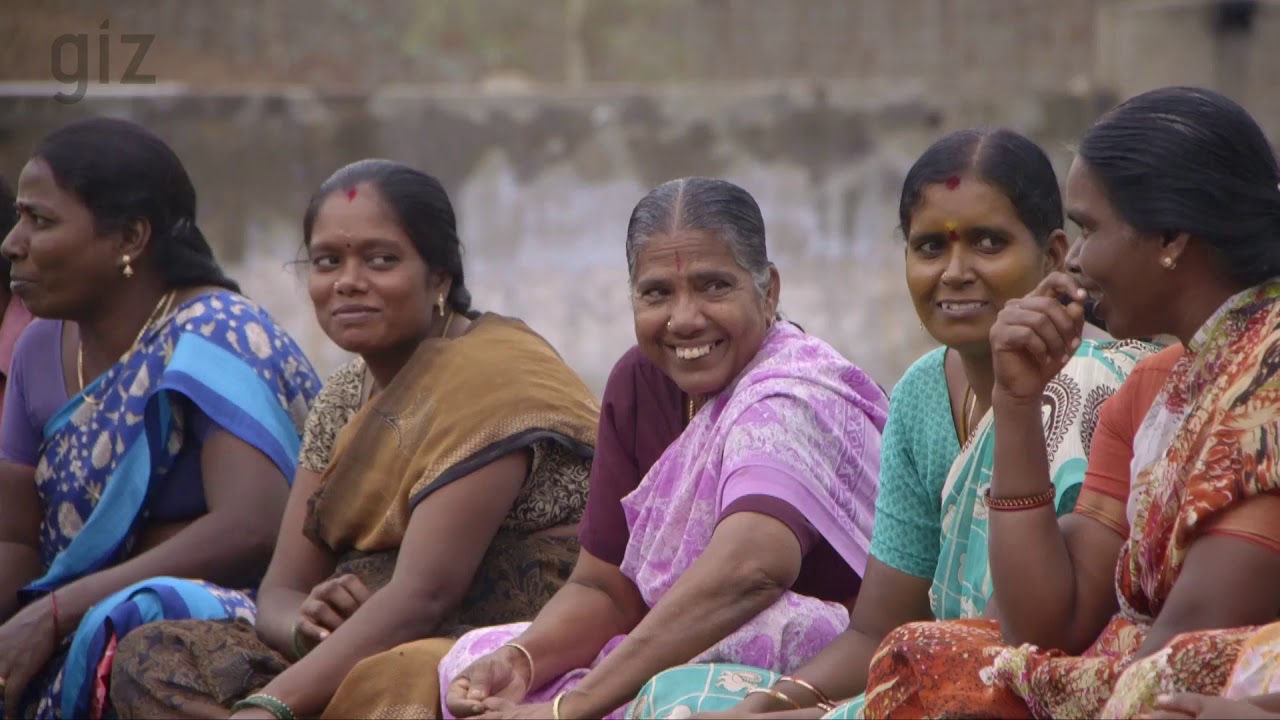
CE
Centre for Indian Knowledge Systems
Tamil Nadu, India
NonprofitCentre for Indian Knowledge Systems (CIKS) is a registered independent trust working in the areas of organic agriculture, biodiversity conservation and Vrkshayurveda (the ancient Indian plant science). The organization has helped approximately 110,000 farming families across eight districts and converted 10,000 hectares of land to sustainable agriculture, while establishing 650 farmers institutions including self-help groups and women-led organizations. CIKS's vision is to conserve agro-biodiversity to ensure food and nutritional security for everyone. Our Namma Nellu ('Our Rice') programme has conserved 178 traditional paddy varieties with agronomic traits of drought tolerance, flood resistance, salinity resistant, pest resilience. We have scientifically validated nutritional and therapeutic properties of these traditional varieties, bridging ancient wisdom and modern science. Mr. Balu, Dr.Viji and other members of the team are the main people behind.
GU
Guardians UK
United Kingdom
NonprofitGuardians UK is a registered charity in England and Wales based in the London Borough of Southwark and Pulborough, West Sussex, dedicated to promoting health and healthy recreation by facilitating public access to green spaces through forest-related activities and supporting protection and regeneration of native woodland in Southeast London and West Sussex. The organization operates a tree nursery containing 1,500 native trees grown from seed or rescued from nearby lands, with the aim of planting thousands of trees across dedicated reforestation and regeneration sites throughout the UK in both urban and rural settings. Their Grange Lane Tree Rescue Hub occupies 0.8 hectares between Dulwich Wood and Grange Lane Allotments, featuring community spaces, an orchard, herb garden, and other facilities to support environmental restoration work.
Project story
Our Land
Tamil Nadu's farming districts carry an agricultural heritage that has, over decades, quietly receded from view. For generations, smallholder farmers here cultivated hundreds of indigenous rice varieties each shaped by local soils, seasonal rhythms, and the knowledge passed down through farming families. The spread of chemical-intensive agriculture and hybrid seed systems has placed much of this diversity under pressure, along with the health of soils, water tables, and the communities who tend them.
This is the land we work in. We are trying, in our modest way, to help steward what remains.
Our Work
Namma Nellu meaning “Our Rice” is a programme of the Centre for Indian Knowledge Systems (CIKS), a Chennai-based organisation that has worked alongside farming communities in Tamil Nadu since 1995. We have had the privilege of collecting and conserving more than 176 traditional paddy varieties, maintained across multiple farm locations so no variety rests in a single vulnerable place.
We try not merely to store seeds, but to grow them, document them, and return them to the farmers who understand them best. Communities guide this work, they are not its beneficiaries but its true custodians.
Our Goals
We hope to gradually expand our farmer network, strengthen decentralised seed production, and deepen our understanding of how traditional varieties respond to the climate pressures farmers face today — erratic rainfall, flooding, drought, pest stress. Each variety conserved is a centuries-old record of quiet adaptation.
Use of Funds
1. Seed Conservation
Support will go toward the conservation of 20 traditional rice varieties selected specifically for their relevance to climate change adaptation. These varieties are drought tolerant, flood resistant, salinity tolerant, and naturally pest resistant, traits that matter more with every passing season.
All 20 varieties will be grown and conserved across two farm sites. Working across two locations is not redundancy. It is insurance. If one site faces crop failure due to weather or other disruption, the other holds what cannot be replaced. Conserving a single variety safely across two sites costs approximately USD 500, and the total cost for all 20 varieties comes to USD 10,000.
2. Quality Seed Production
From within the 20 conserved varieties, ten will be selected for quality seed production based on their climate resilience traits, including drought tolerance, flood resistance, salinity tolerance, and natural pest resistance, and their suitability to the specific topographic and climatic conditions of the region (Tamil Nadu).Each variety will be cultivated across one acre, yielding approximately one metric ton of quality seeds made available to farmers who choose to grow and carry these varieties forward.
Alongside seed production, we will train farmers in quality seed production and organic cultivation practices, and continue our research into the nutritional and agronomic value of these varieties. Producing quality seeds for each of the ten selected varieties costs USD 1,000 per variety, bringing the total seed production cost to USD 10,000.
Our Challenge
Traditional rice varieties exist largely outside the commercial seed system, as well as the state supported agriculture extension systems, which has limited reason to preserve what it cannot sell. They disappear without notice. We believe the resilience encoded in these varieties — to drought, flood, salinity and pest — may prove inherently vital as climate patterns shift.
We are a small team, grateful for the farmers who trust us with this work, and thankful for any support that helps us continue this activity which is in public interest.
Project updates
Team
This project was part of Round 3
$7,288
USDTotal funded by
Activity
Location
India
This project was part of
Round 3
Jul 1-21, 2026
Supporting community-led nature projects around the world.
Matching funds provided by


