AS
Association for Humanitarian Development (AHD)
Pakistan
NonprofitVision To create a socially and economically just, peaceful, and sustainable society where all communities live with dignity, equality, and resilience. Mission To empower vulnerable communities through sustainable development initiatives, safe drinking water solutions, climate resilience programs, livelihood support, institutional strengthening, and continuous learning, enabling people to live with human dignity, social justice, peace, and harmony. Our Goal is to bring together the citizens from disadvantaged groups irrespective of their gender, class, religion or sect, have opportunities for growth, participation in local and national affairs which impact their lives.
Project story
The “Climate Resilience Initiatives Model – AHD” is a community-based and sustainable development approach designed to help vulnerable rural communities adapt to the growing impacts of climate change while improving their health, livelihoods, food security, and overall resilience. Implemented by AHD, the model focuses on empowering marginalized communities in disaster-prone and water-scarce areas of Pakistan, particularly in Sindh, where people face recurring floods, droughts, unsafe drinking water, poverty, food insecurity, and environmental degradation. The project was developed in response to the urgent need for practical, affordable, and locally adaptable solutions that can strengthen community resilience and reduce climate-related vulnerabilities.
The model combines multiple climate-resilient interventions that directly address the everyday challenges faced by rural households. One of the key components is the promotion of the “Nadi Filter,” an affordable and locally produced household water filtration system that provides safe drinking water to underserved communities. Access to clean water has significantly reduced waterborne diseases and improved community health, especially for women and children. Alongside water solutions, AHD promotes fuel-efficient cooking stoves that reduce indoor air pollution, decrease firewood consumption, and help lower carbon emissions while protecting local forests and natural resources.
The Climate Resilience Initiatives Model also includes kitchen gardening, tree plantation, livestock support, and poultry farming to improve food security, nutrition, household income, and environmental sustainability. These activities help families diversify their livelihoods and become more resilient to economic and climate shocks. The project encourages climate-smart agricultural practices and environmental awareness to support long-term adaptation and sustainable natural resource management.
AHD’s model is strongly community-driven and works through local participation and ownership. Over the years, AHD has established hundreds of male and female Community-Based Organizations (CBOs) across various regions of Sindh to strengthen grassroots leadership and community engagement. These CBOs play a vital role in identifying local needs, implementing activities, promoting awareness, and ensuring sustainability of the initiatives. Women and marginalized groups are actively involved in decision-making and project implementation, making the model inclusive and socially equitable.
The project operates within a broader ecosystem of local communities, civil society organizations, government institutions, researchers, donors, and international development partners. AHD has also expanded its climate resilience and safe water initiatives internationally, including collaborative projects in Kenya. Through innovation, local knowledge, partnerships, and community empowerment, the Climate Resilience Initiatives Model aims to build healthier, environmentally sustainable, and climate-resilient communities capable of adapting to future challenges while living with dignity, peace, and social justice.
Project updates
Team
Climate Resilience initiatives model AHD
Pakistan
Water, Agriculture, Conservation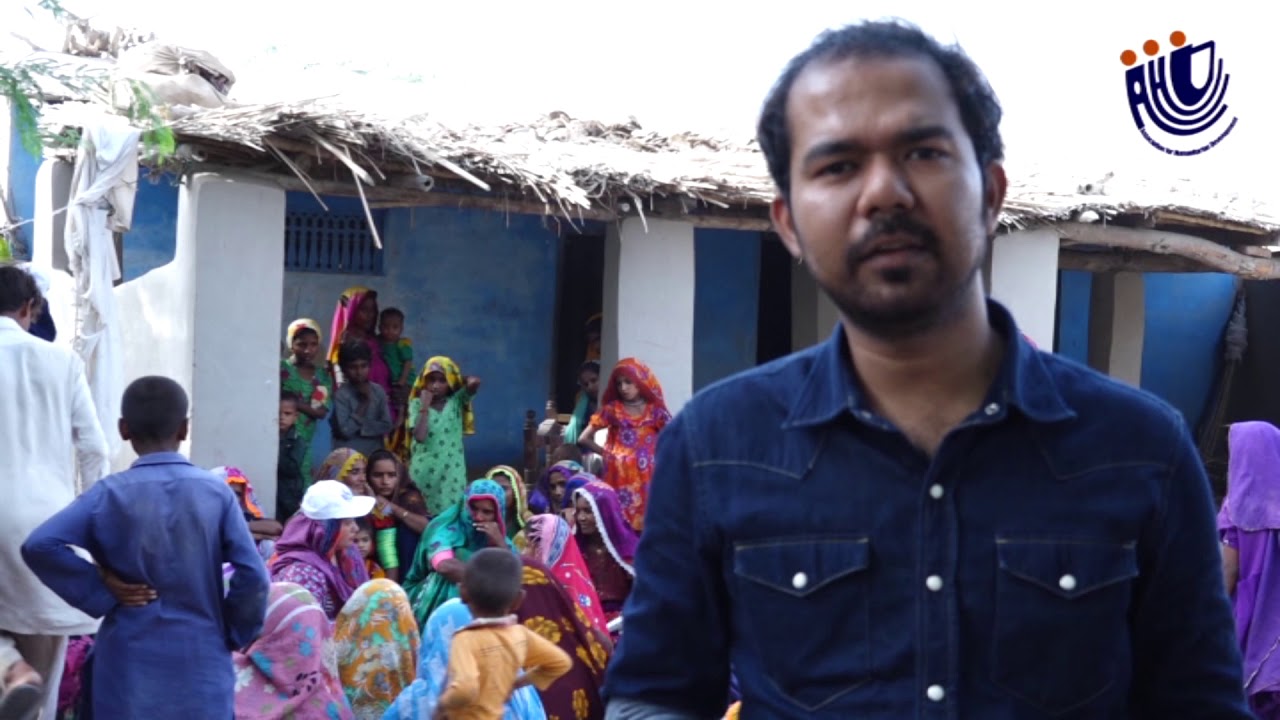
AS
Association for Humanitarian Development (AHD)
Pakistan
NonprofitVision To create a socially and economically just, peaceful, and sustainable society where all communities live with dignity, equality, and resilience. Mission To empower vulnerable communities through sustainable development initiatives, safe drinking water solutions, climate resilience programs, livelihood support, institutional strengthening, and continuous learning, enabling people to live with human dignity, social justice, peace, and harmony. Our Goal is to bring together the citizens from disadvantaged groups irrespective of their gender, class, religion or sect, have opportunities for growth, participation in local and national affairs which impact their lives.
Project story
The “Climate Resilience Initiatives Model – AHD” is a community-based and sustainable development approach designed to help vulnerable rural communities adapt to the growing impacts of climate change while improving their health, livelihoods, food security, and overall resilience. Implemented by AHD, the model focuses on empowering marginalized communities in disaster-prone and water-scarce areas of Pakistan, particularly in Sindh, where people face recurring floods, droughts, unsafe drinking water, poverty, food insecurity, and environmental degradation. The project was developed in response to the urgent need for practical, affordable, and locally adaptable solutions that can strengthen community resilience and reduce climate-related vulnerabilities.
The model combines multiple climate-resilient interventions that directly address the everyday challenges faced by rural households. One of the key components is the promotion of the “Nadi Filter,” an affordable and locally produced household water filtration system that provides safe drinking water to underserved communities. Access to clean water has significantly reduced waterborne diseases and improved community health, especially for women and children. Alongside water solutions, AHD promotes fuel-efficient cooking stoves that reduce indoor air pollution, decrease firewood consumption, and help lower carbon emissions while protecting local forests and natural resources.
The Climate Resilience Initiatives Model also includes kitchen gardening, tree plantation, livestock support, and poultry farming to improve food security, nutrition, household income, and environmental sustainability. These activities help families diversify their livelihoods and become more resilient to economic and climate shocks. The project encourages climate-smart agricultural practices and environmental awareness to support long-term adaptation and sustainable natural resource management.
AHD’s model is strongly community-driven and works through local participation and ownership. Over the years, AHD has established hundreds of male and female Community-Based Organizations (CBOs) across various regions of Sindh to strengthen grassroots leadership and community engagement. These CBOs play a vital role in identifying local needs, implementing activities, promoting awareness, and ensuring sustainability of the initiatives. Women and marginalized groups are actively involved in decision-making and project implementation, making the model inclusive and socially equitable.
The project operates within a broader ecosystem of local communities, civil society organizations, government institutions, researchers, donors, and international development partners. AHD has also expanded its climate resilience and safe water initiatives internationally, including collaborative projects in Kenya. Through innovation, local knowledge, partnerships, and community empowerment, the Climate Resilience Initiatives Model aims to build healthier, environmentally sustainable, and climate-resilient communities capable of adapting to future challenges while living with dignity, peace, and social justice.
Project updates
Team
Location
Pakistan