Building living food systems across Ecuador's communities
Ecuador
Agriculture, Education, ConservationAP
Aprendizaje en Movimiento
Ecuador
Community GroupAeM is an Ecuador-based nonprofit organization that works alongside learning communities in peri-urban, rural, remote, and Indigenous territories across Latin America. Our mission is to strengthen community-led processes that promote environmental stewardship, social inclusion, and sustainable development through education, participation, and collective action. Our work is organized around several interconnected programs, including outdoor and nature-based learning (Bosque Escuela), community management and leadership development, participatory urban interventions (Rayuela Ocupa), and action-oriented research partnerships. We collaborate with children, youth, families, educators, farmers, community leaders, and local organizations to co-create solutions rooted in local knowledge and territorial realities. Together, we foster learning ecosystems that empower communities to shape their own futures while strengthening resilience, biodiversity conservation, and collective well-being.
Project story
Across Ecuador’s northern highlands, communities, educators, farmers, and children are reimagining the role of food in education. While school feeding programs are often designed as technical interventions focused on nutrition and food delivery, many schools are building something much broader: living food systems where children learn directly from the land, local producers, ancestral knowledge, and community networks.
This project supports the creation of Agroecological Learning Territories, connecting schools, families, farmers, seed guardians, cooks, markets, and community organizations through participatory educational processes centered on food sovereignty, environmental stewardship, and collective care.
Our work takes place in Quito, the Chocó Andino, and neighboring territories where children actively participate in school gardens, seed conservation, food preparation, ecological restoration, and community food networks. Rather than treating food as a product to be consumed, these experiences understand food as a pathway to learning, cultural identity, intergenerational exchange, and territorial belonging.
The project seeks to strengthen these existing initiatives by creating spaces for collaborative learning, agroecological education, community mapping, seed exchange, ecological restoration, and child-led participation. Through workshops, community gatherings, school gardens, and participatory cartography, children become active contributors to local food systems rather than passive recipients.
Funds will support:
Expansion and strengthening of school agroecological gardens.
Participatory mapping of local food networks and community actors.
Educational materials on agroecology, food sovereignty, and environmental justice.
Learning exchanges between schools, farmers, seed guardians, and families.
Community seed banks and biodiversity conservation activities.
Child-centered workshops, storytelling, and creative documentation.
Development of local food sovereignty curricula and pedagogical resources.
Documentation and dissemination of community-led practices.
Background & Challenge
Across Latin America, school feeding programs play a crucial role in guaranteeing access to food for children. However, many food systems remain dependent on centralized supply chains, industrial agriculture, and highly processed products. As food systems become increasingly disconnected from local territories, children often lose opportunities to understand where food comes from, who produces it, and how it relates to ecological and cultural wellbeing.
At the same time, communities across Ecuador continue to sustain agroecological practices, seed-saving traditions, local markets, and collective forms of care that offer powerful alternatives. Yet these initiatives frequently lack visibility, resources, and institutional support.
Our Opportunity
Schools can become more than educational institutions; they can serve as community hubs for ecological regeneration, food sovereignty, and intergenerational learning.
By strengthening the connections between children and local food networks, this project contributes to:
Biodiversity conservation.
Agroecological transitions.
Community resilience.
Environmental education.
Cultural continuity and territorial identity.
Child participation and leadership.
Children are not only future stewards of these territories—they are already active producers of knowledge, care, and transformation.
How We Regenerate
Our approach integrates four interconnected dimensions:
Food Sovereignty: strengthening local food systems, agroecological production, and community food autonomy.
Education: supporting critical, intercultural, and place-based learning experiences.
Ecological Restoration: promoting biodiversity, soil regeneration, seed conservation, and care for local ecosystems.
Community Participation: connecting schools with families, producers, community organizations, and territorial networks.
Through these actions, we aim to cultivate resilient food landscapes where learning, conservation, and collective wellbeing reinforce one another.
Tracking Impact
Impact will be measured through both quantitative and qualitative indicators, including:
Number of children participating in agroecological learning activities.
Number of school gardens strengthened or established.
Number of community actors engaged in local food networks.
Seed varieties conserved and exchanged.
Educational workshops and learning exchanges facilitated.
Community maps and territorial narratives produced.
Children's reflections, drawings, and stories documenting their experiences.
Beyond numbers, we will document how children, educators, and communities experience changes in their relationship with food, territory, biodiversity, and collective care.
Why This Matters
Food is never only about nutrition. It is about land, culture, ecology, education, memory, and justice.
By strengthening agroecological learning territories, this project helps communities cultivate not only food, but also the knowledge, relationships, and collective capacities needed to build more just and regenerative futures.
Project updates
Team
Building living food systems across Ecuador's communities
Ecuador
Agriculture, Education, Conservation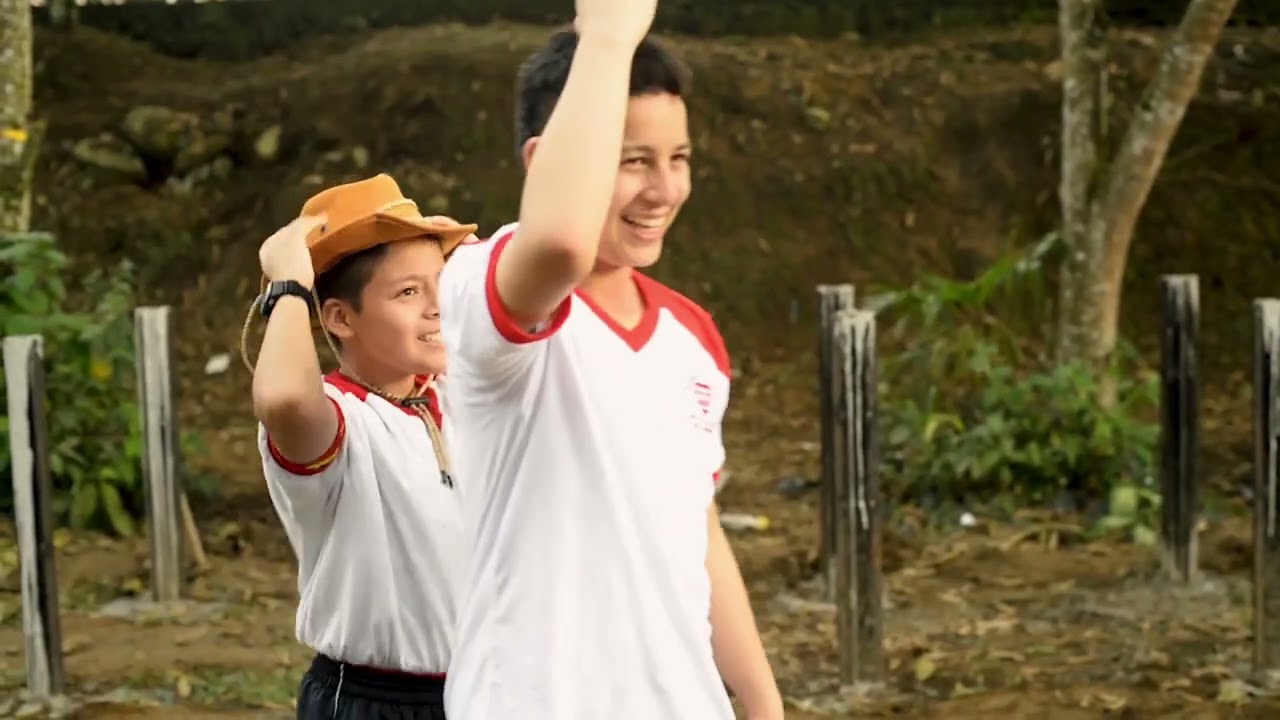
AP
Aprendizaje en Movimiento
Ecuador
Community GroupAeM is an Ecuador-based nonprofit organization that works alongside learning communities in peri-urban, rural, remote, and Indigenous territories across Latin America. Our mission is to strengthen community-led processes that promote environmental stewardship, social inclusion, and sustainable development through education, participation, and collective action. Our work is organized around several interconnected programs, including outdoor and nature-based learning (Bosque Escuela), community management and leadership development, participatory urban interventions (Rayuela Ocupa), and action-oriented research partnerships. We collaborate with children, youth, families, educators, farmers, community leaders, and local organizations to co-create solutions rooted in local knowledge and territorial realities. Together, we foster learning ecosystems that empower communities to shape their own futures while strengthening resilience, biodiversity conservation, and collective well-being.
Project story
Across Ecuador’s northern highlands, communities, educators, farmers, and children are reimagining the role of food in education. While school feeding programs are often designed as technical interventions focused on nutrition and food delivery, many schools are building something much broader: living food systems where children learn directly from the land, local producers, ancestral knowledge, and community networks.
This project supports the creation of Agroecological Learning Territories, connecting schools, families, farmers, seed guardians, cooks, markets, and community organizations through participatory educational processes centered on food sovereignty, environmental stewardship, and collective care.
Our work takes place in Quito, the Chocó Andino, and neighboring territories where children actively participate in school gardens, seed conservation, food preparation, ecological restoration, and community food networks. Rather than treating food as a product to be consumed, these experiences understand food as a pathway to learning, cultural identity, intergenerational exchange, and territorial belonging.
The project seeks to strengthen these existing initiatives by creating spaces for collaborative learning, agroecological education, community mapping, seed exchange, ecological restoration, and child-led participation. Through workshops, community gatherings, school gardens, and participatory cartography, children become active contributors to local food systems rather than passive recipients.
Funds will support:
Expansion and strengthening of school agroecological gardens.
Participatory mapping of local food networks and community actors.
Educational materials on agroecology, food sovereignty, and environmental justice.
Learning exchanges between schools, farmers, seed guardians, and families.
Community seed banks and biodiversity conservation activities.
Child-centered workshops, storytelling, and creative documentation.
Development of local food sovereignty curricula and pedagogical resources.
Documentation and dissemination of community-led practices.
Background & Challenge
Across Latin America, school feeding programs play a crucial role in guaranteeing access to food for children. However, many food systems remain dependent on centralized supply chains, industrial agriculture, and highly processed products. As food systems become increasingly disconnected from local territories, children often lose opportunities to understand where food comes from, who produces it, and how it relates to ecological and cultural wellbeing.
At the same time, communities across Ecuador continue to sustain agroecological practices, seed-saving traditions, local markets, and collective forms of care that offer powerful alternatives. Yet these initiatives frequently lack visibility, resources, and institutional support.
Our Opportunity
Schools can become more than educational institutions; they can serve as community hubs for ecological regeneration, food sovereignty, and intergenerational learning.
By strengthening the connections between children and local food networks, this project contributes to:
Biodiversity conservation.
Agroecological transitions.
Community resilience.
Environmental education.
Cultural continuity and territorial identity.
Child participation and leadership.
Children are not only future stewards of these territories—they are already active producers of knowledge, care, and transformation.
How We Regenerate
Our approach integrates four interconnected dimensions:
Food Sovereignty: strengthening local food systems, agroecological production, and community food autonomy.
Education: supporting critical, intercultural, and place-based learning experiences.
Ecological Restoration: promoting biodiversity, soil regeneration, seed conservation, and care for local ecosystems.
Community Participation: connecting schools with families, producers, community organizations, and territorial networks.
Through these actions, we aim to cultivate resilient food landscapes where learning, conservation, and collective wellbeing reinforce one another.
Tracking Impact
Impact will be measured through both quantitative and qualitative indicators, including:
Number of children participating in agroecological learning activities.
Number of school gardens strengthened or established.
Number of community actors engaged in local food networks.
Seed varieties conserved and exchanged.
Educational workshops and learning exchanges facilitated.
Community maps and territorial narratives produced.
Children's reflections, drawings, and stories documenting their experiences.
Beyond numbers, we will document how children, educators, and communities experience changes in their relationship with food, territory, biodiversity, and collective care.
Why This Matters
Food is never only about nutrition. It is about land, culture, ecology, education, memory, and justice.
By strengthening agroecological learning territories, this project helps communities cultivate not only food, but also the knowledge, relationships, and collective capacities needed to build more just and regenerative futures.
Project updates
Team
Location
Ecuador