Community-Led Coexistence Corridors
Tanzania
Conservation, Community, Education$10,005
USDTotal funded by 17 donors with matching
WI
Wild Survivors
Tanzania
NonprofitWild Survivors partners with communities across Tanzania to reduce human–elephant conflict, strengthen climate resilience, and protect the landscapes shared by people and wildlife. Working across the Ngorongoro highlands, Serengeti borderlands, and the Rukwa–Katavi ecosystem, we support community-led coexistence solutions that connect sustainable livelihoods with habitat protection. Through beekeeping, regenerative agriculture, biodiversity monitoring, and women-led conservation enterprises, communities are reducing conflict, restoring degraded habitats, protecting elephant corridors, and creating local economies that incentivise long-term stewardship of nature. Our approach places local knowledge, leadership, and wellbeing at the heart of conservation, ensuring benefits for both people and wildlife.
Project story
Community-Led Coexistence for Elephant Corridors and Thriving Landscapes
Our Vision
Across Tanzania, rural communities are living on the frontline of climate change, biodiversity loss, and human–wildlife conflict. Yet these same communities are also the custodians of some of Africa's most important elephant landscapes.
Wild Survivors believes conservation succeeds when local people have the opportunity, resources, and agency to lead it. Our vision is a future where thriving communities, healthy ecosystems, and wildlife coexist across shared landscapes.
 The Challenge
As populations grow and climate pressures intensify, families increasingly rely on expanding agriculture to secure food and income. This places greater pressure on forests, wildlife corridors, and natural resources while increasing encounters between people and elephants.
The landscapes where we work in the Ngorongoro Highlands, Serengeti borderlands, and Rukwa–Katavi ecosystem support some of Tanzania's most important elephant populations. They also contain critical forests, watersheds, pollinator habitat, and wildlife movement corridors.
When conflict increases and livelihoods become more vulnerable, both people and nature suffer. Farmers lose crops and income, wildlife loses access to habitat, and forest resources face increasing pressure.
 Our Solution
Over the past eight years, we have developed a community-led approach called the Coexistence in Action Framework.
Communities identify elephant pathways, conflict hotspots, and environmental priorities before co-designing locally appropriate solutions. These include farmer-managed beehive fences, chilli fences, biodiversity monitoring, participatory mapping, coexistence farming, and women-led conservation enterprises.
At the centre of this model are 248 women leading beekeeping, permaculture, and livelihood initiatives across multiple ecosystems. These enterprises generate income from honey, wax products, organic vegetables, and savings groups, creating practical incentives for conservation while strengthening household resilience.
Rather than treating conservation and livelihoods as separate goals, we connect them through locally owned enterprises that actively support coexistence and environmental stewardship.
 The Opportunity
The next stage of our work is to strengthen a growing network of women-led conservation economies that support restoration and habitat connectivity across Tanzania.
Income generated through these enterprises helps sustain coexistence activities, supports stewardship of village forests and elephant corridors, and creates opportunities for native tree planting, regenerative agriculture, invasive species management, and biodiversity recovery.As communities become more resilient, pressure on natural habitats is reduced and long-term incentives for conservation become stronger.
 How We Measure Success
Our programmes currently support:
• More than 18 km of farmer-managed beehive fences
• Over 2,000 hectares of farmland protected from elephant incursions
• Up to 80% reductions in elephant crop-raiding in communities protected by beehive fence systems
• More than 1,500 farmers benefiting from coexistence initiatives
• 248 women participating in conservation enterprises
• Community stewardship across key elephant corridors, village forests, and protected landscapes surrounding Katavi National Park, Lwafi Game Reserve, Mpimbwe Wildlife Management Area, Serengeti National Park, and the Upper Kitete Corridor
• Income generation through community-managed beekeeping and permaculture enterprises that support household resilience, biodiversity, and conservation stewardship
We combine ecological monitoring, community reporting, participatory mapping, biodiversity monitoring, and livelihood assessments to understand how coexistence, income generation, and environmental stewardship reinforce one another over time.
Why This Matters
We believe coexistence is more than reducing conflict. It is creating the conditions for communities to lead the protection and restoration of the landscapes they depend on.
By strengthening local livelihoods, women's leadership, biodiversity stewardship, and habitat connectivity together, we are building a replicable model that supports both people and nature across some of Tanzania's most important wildlife landscapes.
Project updates
Team
Community-Led Coexistence Corridors
Tanzania
Conservation, Community, Education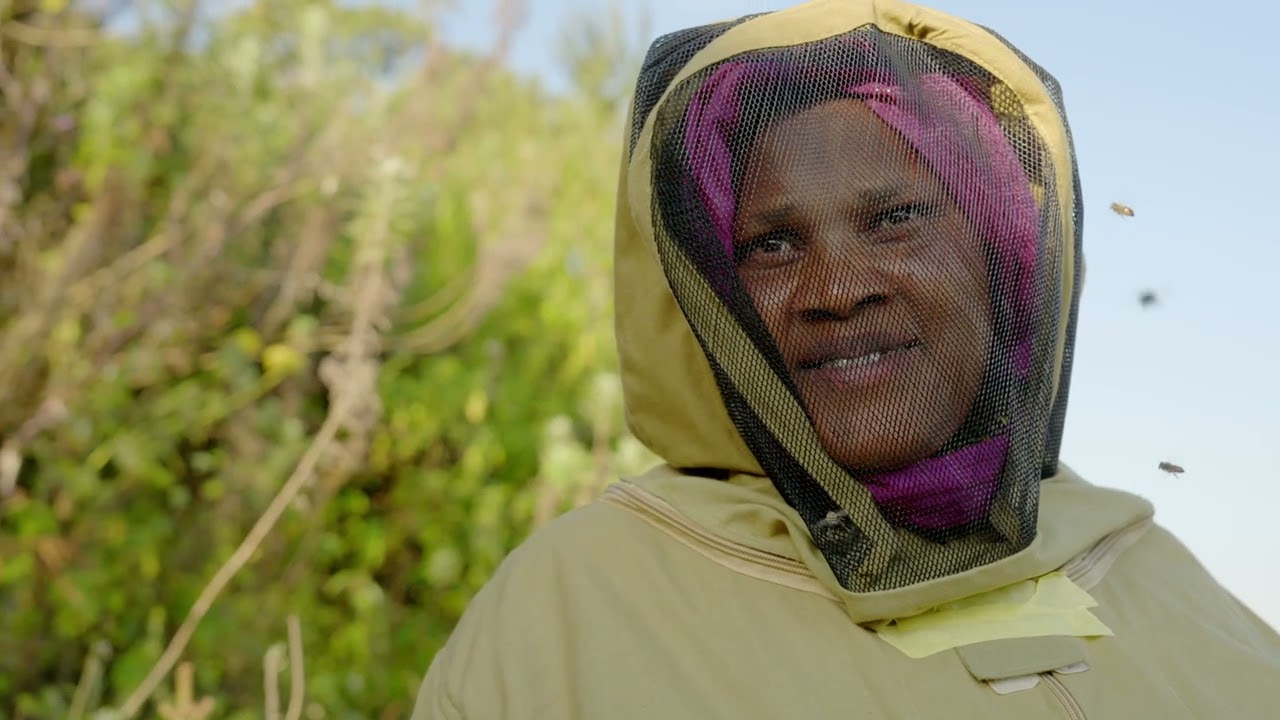
WI
Wild Survivors
Tanzania
NonprofitWild Survivors partners with communities across Tanzania to reduce human–elephant conflict, strengthen climate resilience, and protect the landscapes shared by people and wildlife. Working across the Ngorongoro highlands, Serengeti borderlands, and the Rukwa–Katavi ecosystem, we support community-led coexistence solutions that connect sustainable livelihoods with habitat protection. Through beekeeping, regenerative agriculture, biodiversity monitoring, and women-led conservation enterprises, communities are reducing conflict, restoring degraded habitats, protecting elephant corridors, and creating local economies that incentivise long-term stewardship of nature. Our approach places local knowledge, leadership, and wellbeing at the heart of conservation, ensuring benefits for both people and wildlife.
Project story
Community-Led Coexistence for Elephant Corridors and Thriving Landscapes
Our Vision
Across Tanzania, rural communities are living on the frontline of climate change, biodiversity loss, and human–wildlife conflict. Yet these same communities are also the custodians of some of Africa's most important elephant landscapes.
Wild Survivors believes conservation succeeds when local people have the opportunity, resources, and agency to lead it. Our vision is a future where thriving communities, healthy ecosystems, and wildlife coexist across shared landscapes.
The Challenge
As populations grow and climate pressures intensify, families increasingly rely on expanding agriculture to secure food and income. This places greater pressure on forests, wildlife corridors, and natural resources while increasing encounters between people and elephants.
The landscapes where we work in the Ngorongoro Highlands, Serengeti borderlands, and Rukwa–Katavi ecosystem support some of Tanzania's most important elephant populations. They also contain critical forests, watersheds, pollinator habitat, and wildlife movement corridors.
When conflict increases and livelihoods become more vulnerable, both people and nature suffer. Farmers lose crops and income, wildlife loses access to habitat, and forest resources face increasing pressure.
Our Solution
Over the past eight years, we have developed a community-led approach called the Coexistence in Action Framework.
Communities identify elephant pathways, conflict hotspots, and environmental priorities before co-designing locally appropriate solutions. These include farmer-managed beehive fences, chilli fences, biodiversity monitoring, participatory mapping, coexistence farming, and women-led conservation enterprises.
At the centre of this model are 248 women leading beekeeping, permaculture, and livelihood initiatives across multiple ecosystems. These enterprises generate income from honey, wax products, organic vegetables, and savings groups, creating practical incentives for conservation while strengthening household resilience.
Rather than treating conservation and livelihoods as separate goals, we connect them through locally owned enterprises that actively support coexistence and environmental stewardship.
The Opportunity
The next stage of our work is to strengthen a growing network of women-led conservation economies that support restoration and habitat connectivity across Tanzania.
Income generated through these enterprises helps sustain coexistence activities, supports stewardship of village forests and elephant corridors, and creates opportunities for native tree planting, regenerative agriculture, invasive species management, and biodiversity recovery.As communities become more resilient, pressure on natural habitats is reduced and long-term incentives for conservation become stronger.
How We Measure Success
Our programmes currently support:
• More than 18 km of farmer-managed beehive fences
• Over 2,000 hectares of farmland protected from elephant incursions
• Up to 80% reductions in elephant crop-raiding in communities protected by beehive fence systems
• More than 1,500 farmers benefiting from coexistence initiatives
• 248 women participating in conservation enterprises
• Community stewardship across key elephant corridors, village forests, and protected landscapes surrounding Katavi National Park, Lwafi Game Reserve, Mpimbwe Wildlife Management Area, Serengeti National Park, and the Upper Kitete Corridor
• Income generation through community-managed beekeeping and permaculture enterprises that support household resilience, biodiversity, and conservation stewardship
We combine ecological monitoring, community reporting, participatory mapping, biodiversity monitoring, and livelihood assessments to understand how coexistence, income generation, and environmental stewardship reinforce one another over time.
Why This Matters
We believe coexistence is more than reducing conflict. It is creating the conditions for communities to lead the protection and restoration of the landscapes they depend on.
By strengthening local livelihoods, women's leadership, biodiversity stewardship, and habitat connectivity together, we are building a replicable model that supports both people and nature across some of Tanzania's most important wildlife landscapes.
Project updates
Team
This project was part of Round 3
$10,005
USDTotal funded by
Location
Tanzania
This project was part of
Round 3
Jul 1-21, 2026
Supporting community-led nature projects around the world.
Matching funds provided by


