Erin Axelrod
Erin Axelrod is a partner at LIFT Economy (lifteconomy.com) where she consults with individual & institutional funders & HNW individuals to galvanize climate solutions & align their wealth with their values. She facilitates an MBA program with 800 alumni.
Organizations (2)
Dunbar/Spring Neighborhood Foresters based in Tucson, Arizona has been collaborating with neighbors since 1996 to plant over 1,800 native food- & medicine-bearing trees, thousands of multi-use native understory plants; & plants over a million gallons of stormwater annually through water-harvesting earthworks & rain gardens beside the street & in the street that freely irrigate plantings, recharge our aquifer, & reduce downstream flooding. This work has transformed previously hot, barren public walkways & streets into shaded oases full of life where native wildlife including songbirds, butterflies, & lizards have returned. Our organization aims to bring back life in public commons in a regenerative way that enhances health, builds community, & improves water security & flood mitigation for all. We then share how other can similarly legalize, incentive, & even mandate such practices in their communities. Co-founder Brad is author of "Rainwater Harvesting for Drylands and Beyond"
Dunbar/Spring Neighborhood Foresters based in Tucson, Arizona has been collaborating with neighbors since 1996 to plant over 1,800 native food- & medicine-bearing trees, thousands of multi-use native understory plants; & plants over a million gallons of stormwater annually through water-harvesting earthworks & rain gardens beside the street & in the street that freely irrigate plantings, recharge our aquifer, & reduce downstream flooding. This work has transformed previously hot, barren public walkways & streets into shaded oases full of life where native wildlife including songbirds, butterflies, & lizards have returned. Our organization aims to bring back life in public commons in a regenerative way that enhances health, builds community, & improves water security & flood mitigation for all. We then share how other can similarly legalize, incentive, & even mandate such practices in their communities. Co-founder Brad is author of "Rainwater Harvesting for Drylands and Beyond"
Yayasan Orangutan Sumatera Lestari – Orangutan Information Centre (YOSL-OIC) is a grassroots NGO based in Medan of North Sumatra. We work in collaboration with local communities living alongside orangutan populated areas in both the Leuser Ecosystem and the Batang Toru Ecosystem. The Leuser Ecosystem is the last natural habitat remaining for the Sumatran orangutan and is one of the most important tropical forests remaining in Asia. The Leuser ecosystem is the only place on Earth where orangutans, tigers, rhinos and elephants coexist in the wild, making it a high priority landscape for conservation efforts as well as earning a globally important status. The Batang Toru Ecosystem is a mountainous area of rainforest in the province of North Sumatra. The Tapanuli orangutan (Pongo tapanuliensis) that was discovered in 2017 as a new species of orangutan, is endemic to the Batang Toru Ecosystem, and with fewer than 800 individuals, is Critically Endangered.
Yayasan Orangutan Sumatera Lestari – Orangutan Information Centre (YOSL-OIC) is a grassroots NGO based in Medan of North Sumatra. We work in collaboration with local communities living alongside orangutan populated areas in both the Leuser Ecosystem and the Batang Toru Ecosystem. The Leuser Ecosystem is the last natural habitat remaining for the Sumatran orangutan and is one of the most important tropical forests remaining in Asia. The Leuser ecosystem is the only place on Earth where orangutans, tigers, rhinos and elephants coexist in the wild, making it a high priority landscape for conservation efforts as well as earning a globally important status. The Batang Toru Ecosystem is a mountainous area of rainforest in the province of North Sumatra. The Tapanuli orangutan (Pongo tapanuliensis) that was discovered in 2017 as a new species of orangutan, is endemic to the Batang Toru Ecosystem, and with fewer than 800 individuals, is Critically Endangered.
Top causes
Projects supported (2)
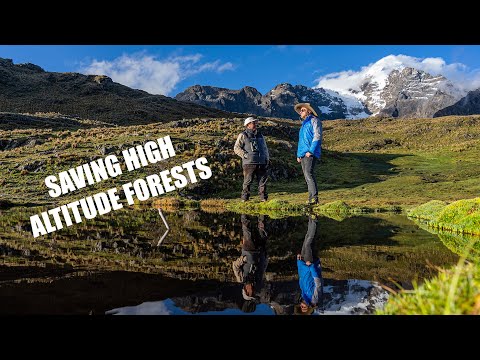
Acción Andina: Continental Ecosystem Restoration
Global Forest Generation$8,103.60by57donorswith matching
Community-led agroforestry
FOLONA (for the love of nature)$8,881.52by72donorswith matching