Reconnecting the Canopy: Safe Passage for Wildlife
Costa Rica
Conservation, Community, Restoration$25,117
USDTotal funded by 206 donors with matching
TH
The Jaguar Rescue Center (JRC)
Costa Rica
NonprofitThe Jaguar Rescue Center (JRC) is a wildlife rescue and conservation organization based in Costa Rica’s Talamanca Biological Corridor, one of the most biodiverse regions in the world. Founded in 2008 by biologist Encar García, JRC was born from a growing reality many communities across Costa Rica’s Caribbean region now see firsthand: wildlife is increasingly under pressure from habitat fragmentation, roads, electrical infrastructure, and expanding human development. Today, our team of veterinarians, biologists, wildlife rehabilitators, educators, volunteers, and community partners works every day to rescue, rehabilitate, and, whenever possible, return injured and orphaned wildlife back to the forest where they belong. Over time though, it became clear that rescue alone cannot solve the scale of the problem. Many of the injuries we treat are preventable and occur repeatedly in the same high-risk areas. That is why JRC has also expanded its focus toward prevention and coexistence effor
AM
Amigos of Costa Rica
Pennsylvania, United States
NonprofitAmigos of Costa Rica is a US nonprofit organization that invites people to invest in communities around Costa Rica by connecting their values and resources with vetted nonprofit solutions. The organization serves as a fiscal sponsor for over 100 Costa Rican nonprofit organizations and ensures responsible fund management through annual reporting. We believe in creating the best possible future for Costa Rica.
Project story
Our Land
Costa Rica’s Caribbean region is one of the most biodiverse places in the world, but it is changing fast. Forests that once allowed wildlife to move freely through the canopy are increasingly fragmented by roads, tourism development, electrical infrastructure, and expanding communities. In some areas, sloths and monkeys are now forced to descend to the ground or cross dangerous electrical lines simply to move between trees.
Why This Work Began
The Jaguar Rescue Center (JRC) was founded in 2008 after our team began seeing more and more injured and displaced wildlife arriving from these growing pressures. Over time, we realized many of the injuries we were treating, especially electrocutions, falls, vehicle collisions, and fragmentation-related trauma, were happening repeatedly in the same places and were often preventable. Rescue work remained essential, but over time it became clear how rescue alone could never fully solve the problem.
What We Are Building
Today, JRC’s work stretches way beyond rehabilitation and release. Together, local residents, volunteers, scientists, schools, businesses, Indigenous and rural communities, and Costa Rica’s national electricity provider (ICE), help identify wildlife mortality hotspots and implement practical solutions including insulated electrical infrastructure and canopy crossings that reconnect fragmented habitat and allow safer wildlife movement. Indeed, many rescues today begin with calls from community members who really know the landscape and recognize when wildlife is in danger.
Because JRC responds directly to wildlife emergencies across the region, our rescue and monitoring data also help identify the exact infrastructure hotspots where prevention efforts are most urgently needed. Since 2017, JRC has worked together with ICE and Costa Rica’s Ministry of Environment and Energy (MINAE) to reduce wildlife electrocutions and reconnect fragmented canopy pathways across Costa Rica’s Southern Caribbean. Together, the partnership has helped insulate 9.4 km of power lines, protect 41 transformers, and install 17 aerial wildlife crossings in high-risk areas identified through field rescue and monitoring data. Yet significant risk still remains across the corridor. Field assessments have identified more than 160 dangerous electrical spans and dozens of hazardous transformers that continue to threaten wildlife movement and survival.
At its core, this work is about coexistence. Wildlife survival, forest connectivity, and community stewardship are deeply linked, especially in regions where biodiversity and human development increasingly overlap. Every insulated line and restored canopy crossing creates another chance for wildlife to move safely through the forest again.
Community & Coexistence
Our work is deeply rooted in Limón, one of Costa Rica’s most economically vulnerable regions, but also one of its richest in biodiversity. Through Jaguar Rescue Community, we work with schools, families, educators, and local leaders to make conservation more accessible and community-led. It is no surprise that children who visit the sanctuary often come back later with their schools or families and seeing themselves not just as visitors, but as protectors of the forest around them.
A Future Still Possible
Some animals, like Skye, a young howler monkey who survived severe electrocution injuries as a baby, are eventually able to return to the forest. Today she spends her days moving through the trees alongside other howlers as she prepares for eventual release back into the wild. And its moments like these that serve as a reminder that reconnecting canopy pathways and reducing preventable injuries can directly shape whether wildlife survives and thrives in the future.
How Funding Will Help
In 2025 alone, JRC treated more than 1,400 wild animals while continuing to expand wildlife-safe infrastructure, canopy connectivity, ecosystem recovery, and environmental education efforts across the region. Should the JRC’s project be selected, support from this opportunity would help us expand canopy crossings, wildlife-safe electrical infrastructure, mapping, monitoring, and long-term prevention efforts across high-risk wildlife corridors before further biodiversity loss occurs.
Our goal is not only to rescue wildlife after harm happens, but to help restore safer movement, healthier ecosystems, and long-term coexistence between people and wildlife across Costa Rica’s Caribbean forests.
Project updates
Team
Donations (214)
Reconnecting the Canopy: Safe Passage for Wildlife
Costa Rica
Conservation, Community, Restoration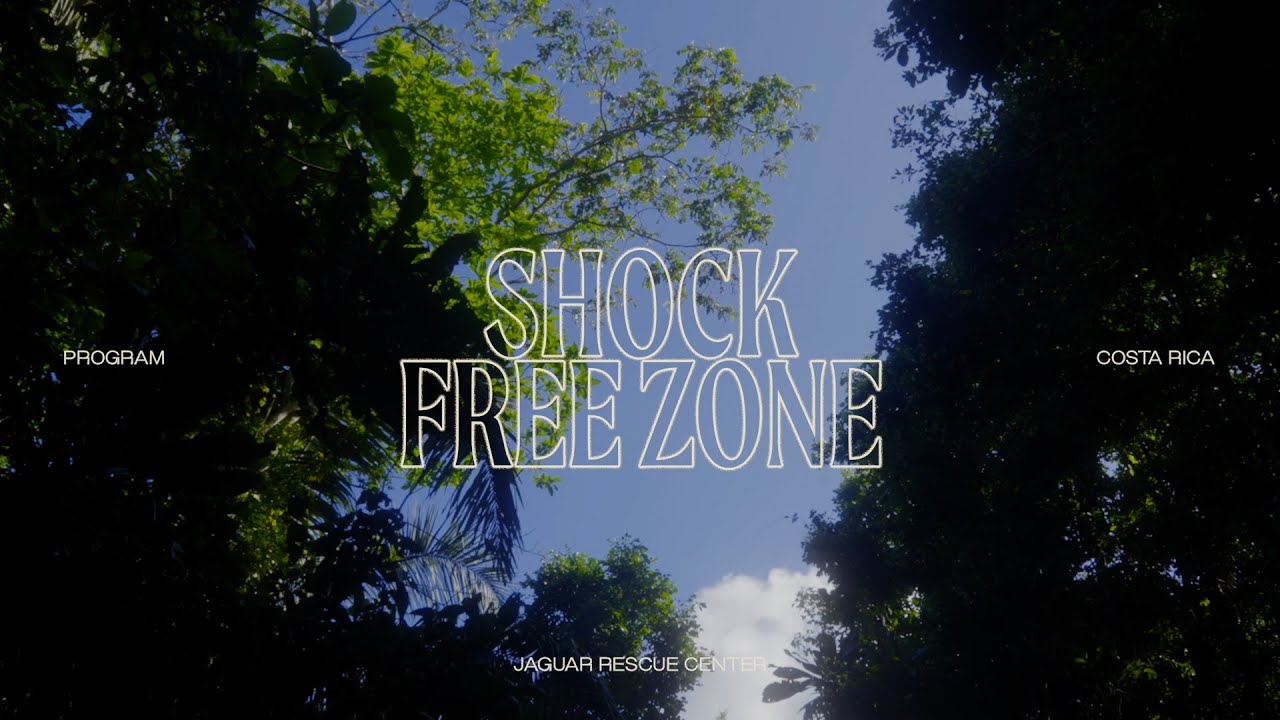
TH
The Jaguar Rescue Center (JRC)
Costa Rica
NonprofitThe Jaguar Rescue Center (JRC) is a wildlife rescue and conservation organization based in Costa Rica’s Talamanca Biological Corridor, one of the most biodiverse regions in the world. Founded in 2008 by biologist Encar García, JRC was born from a growing reality many communities across Costa Rica’s Caribbean region now see firsthand: wildlife is increasingly under pressure from habitat fragmentation, roads, electrical infrastructure, and expanding human development. Today, our team of veterinarians, biologists, wildlife rehabilitators, educators, volunteers, and community partners works every day to rescue, rehabilitate, and, whenever possible, return injured and orphaned wildlife back to the forest where they belong. Over time though, it became clear that rescue alone cannot solve the scale of the problem. Many of the injuries we treat are preventable and occur repeatedly in the same high-risk areas. That is why JRC has also expanded its focus toward prevention and coexistence effor
AM
Amigos of Costa Rica
Pennsylvania, United States
NonprofitAmigos of Costa Rica is a US nonprofit organization that invites people to invest in communities around Costa Rica by connecting their values and resources with vetted nonprofit solutions. The organization serves as a fiscal sponsor for over 100 Costa Rican nonprofit organizations and ensures responsible fund management through annual reporting. We believe in creating the best possible future for Costa Rica.
Trusted by
Project story
Our Land
Costa Rica’s Caribbean region is one of the most biodiverse places in the world, but it is changing fast. Forests that once allowed wildlife to move freely through the canopy are increasingly fragmented by roads, tourism development, electrical infrastructure, and expanding communities. In some areas, sloths and monkeys are now forced to descend to the ground or cross dangerous electrical lines simply to move between trees.
Why This Work Began
The Jaguar Rescue Center (JRC) was founded in 2008 after our team began seeing more and more injured and displaced wildlife arriving from these growing pressures. Over time, we realized many of the injuries we were treating, especially electrocutions, falls, vehicle collisions, and fragmentation-related trauma, were happening repeatedly in the same places and were often preventable. Rescue work remained essential, but over time it became clear how rescue alone could never fully solve the problem.
What We Are Building
Today, JRC’s work stretches way beyond rehabilitation and release. Together, local residents, volunteers, scientists, schools, businesses, Indigenous and rural communities, and Costa Rica’s national electricity provider (ICE), help identify wildlife mortality hotspots and implement practical solutions including insulated electrical infrastructure and canopy crossings that reconnect fragmented habitat and allow safer wildlife movement. Indeed, many rescues today begin with calls from community members who really know the landscape and recognize when wildlife is in danger.
Because JRC responds directly to wildlife emergencies across the region, our rescue and monitoring data also help identify the exact infrastructure hotspots where prevention efforts are most urgently needed. Since 2017, JRC has worked together with ICE and Costa Rica’s Ministry of Environment and Energy (MINAE) to reduce wildlife electrocutions and reconnect fragmented canopy pathways across Costa Rica’s Southern Caribbean. Together, the partnership has helped insulate 9.4 km of power lines, protect 41 transformers, and install 17 aerial wildlife crossings in high-risk areas identified through field rescue and monitoring data. Yet significant risk still remains across the corridor. Field assessments have identified more than 160 dangerous electrical spans and dozens of hazardous transformers that continue to threaten wildlife movement and survival.
At its core, this work is about coexistence. Wildlife survival, forest connectivity, and community stewardship are deeply linked, especially in regions where biodiversity and human development increasingly overlap. Every insulated line and restored canopy crossing creates another chance for wildlife to move safely through the forest again.
Community & Coexistence
Our work is deeply rooted in Limón, one of Costa Rica’s most economically vulnerable regions, but also one of its richest in biodiversity. Through Jaguar Rescue Community, we work with schools, families, educators, and local leaders to make conservation more accessible and community-led. It is no surprise that children who visit the sanctuary often come back later with their schools or families and seeing themselves not just as visitors, but as protectors of the forest around them.
A Future Still Possible
Some animals, like Skye, a young howler monkey who survived severe electrocution injuries as a baby, are eventually able to return to the forest. Today she spends her days moving through the trees alongside other howlers as she prepares for eventual release back into the wild. And its moments like these that serve as a reminder that reconnecting canopy pathways and reducing preventable injuries can directly shape whether wildlife survives and thrives in the future.
How Funding Will Help
In 2025 alone, JRC treated more than 1,400 wild animals while continuing to expand wildlife-safe infrastructure, canopy connectivity, ecosystem recovery, and environmental education efforts across the region. Should the JRC’s project be selected, support from this opportunity would help us expand canopy crossings, wildlife-safe electrical infrastructure, mapping, monitoring, and long-term prevention efforts across high-risk wildlife corridors before further biodiversity loss occurs.
Our goal is not only to rescue wildlife after harm happens, but to help restore safer movement, healthier ecosystems, and long-term coexistence between people and wildlife across Costa Rica’s Caribbean forests.
Project updates
Team
This project was part of Round 3
$25,117
USDTotal funded by
Activity
Location
Costa Rica
This project was part of
Round 3
Jul 1-21, 2026
Supporting community-led nature projects around the world.
Matching funds provided by


