Restoring drylands with sand dams and climate-smart farming
Kenya
Water, Restoration, Conservation$8,724
USDTotal funded by 56 donors with matching
SA
Sand Dams Worldwide
United Kingdom
NonprofitSand Dams Worldwide supports some of the world’s poorest people to transform their own lives through water and soil conservation in drylands. We work with local partners to support communities to build sand dams; a nature-based, cost-effective rainwater harvesting technology that can last upwards of 60 years and capture up to 40 million litres of water (stored safe from disease and evaporation within the sand), replenishing every rainy season. The water is easily extractable via pipework, with 1 sand dam providing enough year-round water for over 1,000 people. Sand dams positively impact the environment. They allow rivers to continue to flow so downstream users aren’t affected. They raise groundwater levels, promote vegetation regrowth and reduce soil erosion. When combined with land conservation measures, soil fertility improves, and with more water and time (not having to spend hours fetching water from distant sources), farmers produce a more reliable supply of food and income.
This project was selected as a RestorLife Awards finalist

Project story
Sand Dams Worldwide supports some of the world's poorest people to transform their own lives through water and soil conservation in drylands.
Communities in drylands (which cover 40% of global land) experience extreme water scarcity. Globally, over 2 billion people lack safe drinking water, the majority of whom live in dryland areas. Women and children in drylands typically spend 6 to 12 hours a day collecting water, leaving women little time for other work, including farming, and children unable to attend school. That water is often from unclean rivers and unprotected sources, increasing the risk of waterborne diseases (e.g. cholera and diarrhoea). Climate change is exacerbating the problem, leading to increasingly severe droughts; in 2023 the Horn of Africa experienced its most severe drought in 70 years.
Climate change contributes to significant land degradation. As soil becomes less fertile, combined with a lack of water, farmers increasingly struggle to grow enough food for their families and to generate income. As a result, farmers are increasingly struggling to grow enough food for their families and to generate income.
As the world’s population grows to over 8 billion, so does the pressure on dryland resources. It is thought by 2050, as many as 216 million people could be internal climate migrants, and 95% of the Earth’s land areas could become degraded. We are already experiencing political tensions, migrations and conflicts over limited natural resources, such as water and land, and this will only intensify as our natural capital diminishes. That is where the work and impact of Sand Dams Worldwide comes in.
Since 2002, we have been working with local in-country partners to help vulnerable rural dryland communities build sand dams; a sustainable, nature-based and cost-effective rainwater harvesting technology that lasts upwards of 60 years (with no operational or maintenance costs once built) and capture up to 40 million litres of water, replenishing every rainy season.
That water is stored safe from disease and evaporation within the sand, meeting World Health Organisation standards for drinking. It is then easily extractable via pipework connected to hand-pumps and taps, with one sand dam providing enough year-round water for over 1,000 people.
For more information about how sand dams work, watch this short animation:
Sand dams play a significant role in mitigating the effects of climate change, including reversing land degradation. They raise groundwater levels by slowing the rate of run-off and capturing rainwater that would otherwise be lost, while allowing most water to continue downstream. The slowing of water run-off allows water to infiltrate the soil, resulting in vegetation recovery, reduced erosion, and restored degraded land and regreened environments.
While Sand Dams Worldwide's work often starts with a sand dam, it is certainly not where it ends. Once water and time are available, a wealth of opportunities arise. We also work through partners to advise communities on improved climate-smart agriculture techniques, such as terracing, developing seed banks, and planting drought-resistant crops and trees; empowering families to grow enough food to eat, store, and sell in the face of climate change and drought.
Our model is based on community leadership and contribution, so communities are invested from the start in transforming their own lives. Sand dam projects are community-led, with community members at the heart of project design, planning and implementation, even completing all the manual sand dam construction work themselves, with technical support from Sand Dams Worldwide’s local partners.
About our work in Makueni County, Kenya
We are seeking support to enable a new sand dam project in Makueni County, Kenya, that will help more people living in the area to access clean water that is closer to home, to achieve food security, and to transform their own lives and land for generations to come.
Since 2010, Sand Dams Worldwide has worked with local partner, the Africa Sand Dam Foundation, to support rural communities in Ukambani, southeast Kenya (comprising of Makueni, Machakos and Kitui counties) to harvest rainwater with sand dams, and grow food, restore degraded land and regreen environments with climate-smart agriculture and land conservation measures.
Ukambani is one of Kenya’s most drought-prone regions, prone to severe water shortages. Around 55% of households lack access to safe water (compared with 32% nationally), and 44% of the population live below the poverty line (compared with 38% nationally). During dry seasons, women and children can walk up to 6 hours each day to collect water (even longer during prolonged drought periods) – time that children could spend learning at school, or women could spend earning a living – for water which is often unsafe to drink.
The World Health Organisation recommends 50 litres of water per day per person for drinking, washing, cooking and maintaining proper hygiene, yet we know that many households living in Ukambani are having to make do with much less. When people lack water, one of the first strategies they employ is to reduce the water used for washing and bathing, including hand washing. The lack of water to be able to carry out this basic hygiene practice regularly puts these already vulnerable communities at an even greater risk.
The impacts of climate change are only compounding the problem of water scarcity, with increasingly erratic rainfall putting more and more pressure on already finite natural water sources. The current climate crisis poses an additional threat to Ukambani’s communities, most of whom are subsistence farmers who rely on rain-fed agriculture. Already, water shortages are making it difficult for these communities to produce enough food, yet as the region experiences its driest conditions and hottest temperatures since satellite record-keeping began, more and more families are facing extreme hunger, and their potential to generate household income is reducing.
To see how a sand dam project has helped three generations of women from a village in Makueni County to transform their own lives, watch our short ‘Water Women of Wambiti’ film:
A note about Sand Dams Worldwide’s lifetime achievements
Since 2002, Sand Dams Worldwide has enabled the construction of over 1,400 sand dams across 10 countries, providing over 1.2 million people with lifelong access to clean water.
Sand Dams Worldwide currently has two projects in Kenya (one in the southeast working with self-help community groups, and another in Tsavo National Park focusing on supporting local wildlife), as well one in Zimbabwe, Mozambique, Malawi, Tanzania and Ethiopia.
Since 2002, we have also supported communities to dig over 1.9 million metres of terracing and plant over 1.5 million trees.
More information can be found here: https://www.sanddamsworldwide.org.uk/
Project updates
Team
Donations (57)
Restoring drylands with sand dams and climate-smart farming
Kenya
Water, Restoration, Conservation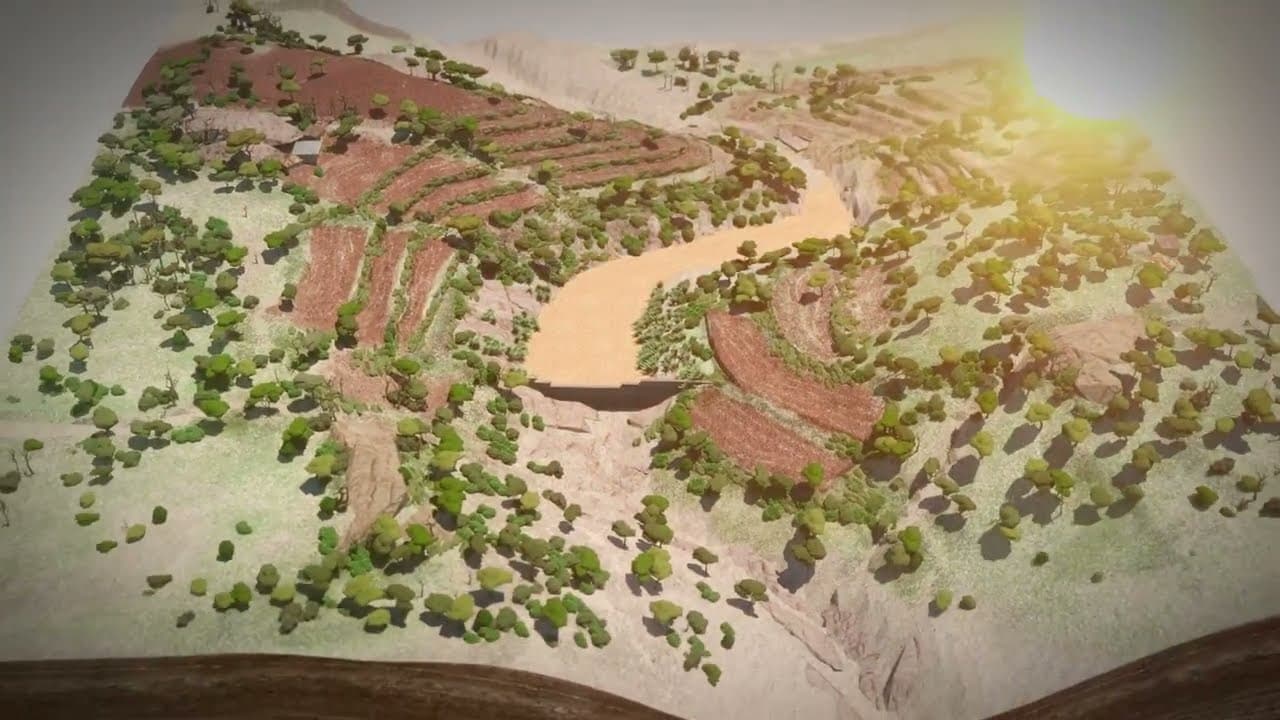
SA
Sand Dams Worldwide
United Kingdom
NonprofitSand Dams Worldwide supports some of the world’s poorest people to transform their own lives through water and soil conservation in drylands. We work with local partners to support communities to build sand dams; a nature-based, cost-effective rainwater harvesting technology that can last upwards of 60 years and capture up to 40 million litres of water (stored safe from disease and evaporation within the sand), replenishing every rainy season. The water is easily extractable via pipework, with 1 sand dam providing enough year-round water for over 1,000 people. Sand dams positively impact the environment. They allow rivers to continue to flow so downstream users aren’t affected. They raise groundwater levels, promote vegetation regrowth and reduce soil erosion. When combined with land conservation measures, soil fertility improves, and with more water and time (not having to spend hours fetching water from distant sources), farmers produce a more reliable supply of food and income.
This project was selected as a RestorLife Awards finalist

Project story
Sand Dams Worldwide supports some of the world's poorest people to transform their own lives through water and soil conservation in drylands.
Communities in drylands (which cover 40% of global land) experience extreme water scarcity. Globally, over 2 billion people lack safe drinking water, the majority of whom live in dryland areas. Women and children in drylands typically spend 6 to 12 hours a day collecting water, leaving women little time for other work, including farming, and children unable to attend school. That water is often from unclean rivers and unprotected sources, increasing the risk of waterborne diseases (e.g. cholera and diarrhoea). Climate change is exacerbating the problem, leading to increasingly severe droughts; in 2023 the Horn of Africa experienced its most severe drought in 70 years.
Climate change contributes to significant land degradation. As soil becomes less fertile, combined with a lack of water, farmers increasingly struggle to grow enough food for their families and to generate income. As a result, farmers are increasingly struggling to grow enough food for their families and to generate income.
As the world’s population grows to over 8 billion, so does the pressure on dryland resources. It is thought by 2050, as many as 216 million people could be internal climate migrants, and 95% of the Earth’s land areas could become degraded. We are already experiencing political tensions, migrations and conflicts over limited natural resources, such as water and land, and this will only intensify as our natural capital diminishes. That is where the work and impact of Sand Dams Worldwide comes in.
Since 2002, we have been working with local in-country partners to help vulnerable rural dryland communities build sand dams; a sustainable, nature-based and cost-effective rainwater harvesting technology that lasts upwards of 60 years (with no operational or maintenance costs once built) and capture up to 40 million litres of water, replenishing every rainy season.
That water is stored safe from disease and evaporation within the sand, meeting World Health Organisation standards for drinking. It is then easily extractable via pipework connected to hand-pumps and taps, with one sand dam providing enough year-round water for over 1,000 people.
For more information about how sand dams work, watch this short animation:
Sand dams play a significant role in mitigating the effects of climate change, including reversing land degradation. They raise groundwater levels by slowing the rate of run-off and capturing rainwater that would otherwise be lost, while allowing most water to continue downstream. The slowing of water run-off allows water to infiltrate the soil, resulting in vegetation recovery, reduced erosion, and restored degraded land and regreened environments.
While Sand Dams Worldwide's work often starts with a sand dam, it is certainly not where it ends. Once water and time are available, a wealth of opportunities arise. We also work through partners to advise communities on improved climate-smart agriculture techniques, such as terracing, developing seed banks, and planting drought-resistant crops and trees; empowering families to grow enough food to eat, store, and sell in the face of climate change and drought.
Our model is based on community leadership and contribution, so communities are invested from the start in transforming their own lives. Sand dam projects are community-led, with community members at the heart of project design, planning and implementation, even completing all the manual sand dam construction work themselves, with technical support from Sand Dams Worldwide’s local partners.
About our work in Makueni County, Kenya
We are seeking support to enable a new sand dam project in Makueni County, Kenya, that will help more people living in the area to access clean water that is closer to home, to achieve food security, and to transform their own lives and land for generations to come.
Since 2010, Sand Dams Worldwide has worked with local partner, the Africa Sand Dam Foundation, to support rural communities in Ukambani, southeast Kenya (comprising of Makueni, Machakos and Kitui counties) to harvest rainwater with sand dams, and grow food, restore degraded land and regreen environments with climate-smart agriculture and land conservation measures.
Ukambani is one of Kenya’s most drought-prone regions, prone to severe water shortages. Around 55% of households lack access to safe water (compared with 32% nationally), and 44% of the population live below the poverty line (compared with 38% nationally). During dry seasons, women and children can walk up to 6 hours each day to collect water (even longer during prolonged drought periods) – time that children could spend learning at school, or women could spend earning a living – for water which is often unsafe to drink.
The World Health Organisation recommends 50 litres of water per day per person for drinking, washing, cooking and maintaining proper hygiene, yet we know that many households living in Ukambani are having to make do with much less. When people lack water, one of the first strategies they employ is to reduce the water used for washing and bathing, including hand washing. The lack of water to be able to carry out this basic hygiene practice regularly puts these already vulnerable communities at an even greater risk.
The impacts of climate change are only compounding the problem of water scarcity, with increasingly erratic rainfall putting more and more pressure on already finite natural water sources. The current climate crisis poses an additional threat to Ukambani’s communities, most of whom are subsistence farmers who rely on rain-fed agriculture. Already, water shortages are making it difficult for these communities to produce enough food, yet as the region experiences its driest conditions and hottest temperatures since satellite record-keeping began, more and more families are facing extreme hunger, and their potential to generate household income is reducing.
To see how a sand dam project has helped three generations of women from a village in Makueni County to transform their own lives, watch our short ‘Water Women of Wambiti’ film:
A note about Sand Dams Worldwide’s lifetime achievements
Since 2002, Sand Dams Worldwide has enabled the construction of over 1,400 sand dams across 10 countries, providing over 1.2 million people with lifelong access to clean water.
Sand Dams Worldwide currently has two projects in Kenya (one in the southeast working with self-help community groups, and another in Tsavo National Park focusing on supporting local wildlife), as well one in Zimbabwe, Mozambique, Malawi, Tanzania and Ethiopia.
Since 2002, we have also supported communities to dig over 1.9 million metres of terracing and plant over 1.5 million trees.
More information can be found here: https://www.sanddamsworldwide.org.uk/
Project updates
Team
This project was part of Round 3
$8,724
USDTotal funded by
Activity
Anonymous
$200.00
Location
Kenya
This project was part of
Round 3
Jul 1-21, 2026
Supporting community-led nature projects around the world.
Matching funds provided by