Native seeds, thriving forests: ecological restoration in Brazil
Brazil
Restoration, Community, Water$4,449
USDTotal funded by 10 donors with matching
SA
SamaÚma Ações baseadas na Natureza
Brazil
NonprofitSamaÚma is a Brazilian ecological restoration organization working at the intersection of ecosystem recovery, community livelihoods, and field-based science. We restore degraded landscapes across mangroves, the Cerrado, and Atlantic Forest territories within the Amazônia Legal. Our work is built on a vertically integrated model: the same team that collects seeds, manages nurseries, plants trees, monitors biodiversity, and engages communities is also responsible for geotagging, drone monitoring, and reporting. This ensures transparent, field-based impact data without intermediaries. SamaÚma operates with a 100% agrochemical-free approach, using no pesticides or herbicides at any stage of implementation. Today, we have planted well over 14 million trees across four Brazilian biomes while generating dignified employment and supporting Indigenous, quilombola, and local communities through long-term ecological restoration.
Project story
Our Story
James Tiburcio holds a PhD in Sustainable Development and spent nearly eight years in India with his wife Sílvia, working alongside grassroots communities. That experience revealed a critical truth: environmental degradation, poverty, and food insecurity are inseparable.
Together, they founded SamaÚma to restore Brazil's most damaged ecosystems—mangrove forests along the Maranhão coast, Cerrado savannas, and Atlantic rainforests. Deforestation, unsustainable land use, and climate pressures have devastated these landscapes, threatening biodiversity, fisheries, water security, and local incomes. Coastal communities face mounting vulnerability to erosion and flooding.
SamaÚma's approach is unique: they combine ecological restoration with dignified employment and community resilience. Operating entirely without pesticides or herbicides, the team collects native seeds, runs nurseries, plants trees, and partners directly with Indigenous, quilombola, and traditional communities.
Restoration here means more than planting trees—it means rebuilding the ecological foundations that communities depend on to thrive. Over the next year, SamaÚma plans to expand across Brazil and beyond, transforming degraded landscapes into thriving ecosystems where native vegetation flourishes, wildlife returns, and local economies strengthen.
Project updates
Team
Donations (13)
Native seeds, thriving forests: ecological restoration in Brazil
Brazil
Restoration, Community, Water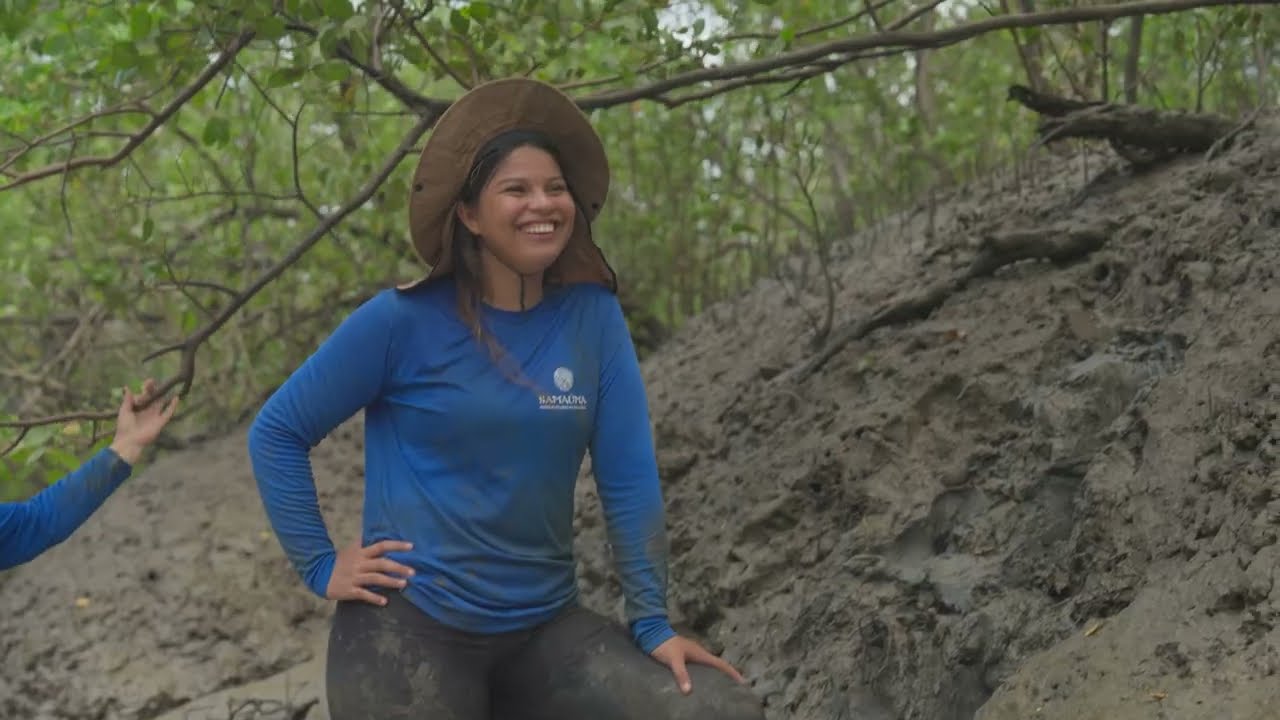
SA
SamaÚma Ações baseadas na Natureza
Brazil
NonprofitSamaÚma is a Brazilian ecological restoration organization working at the intersection of ecosystem recovery, community livelihoods, and field-based science. We restore degraded landscapes across mangroves, the Cerrado, and Atlantic Forest territories within the Amazônia Legal. Our work is built on a vertically integrated model: the same team that collects seeds, manages nurseries, plants trees, monitors biodiversity, and engages communities is also responsible for geotagging, drone monitoring, and reporting. This ensures transparent, field-based impact data without intermediaries. SamaÚma operates with a 100% agrochemical-free approach, using no pesticides or herbicides at any stage of implementation. Today, we have planted well over 14 million trees across four Brazilian biomes while generating dignified employment and supporting Indigenous, quilombola, and local communities through long-term ecological restoration.
Project story
Our Story
James Tiburcio holds a PhD in Sustainable Development and spent nearly eight years in India with his wife Sílvia, working alongside grassroots communities. That experience revealed a critical truth: environmental degradation, poverty, and food insecurity are inseparable.
Together, they founded SamaÚma to restore Brazil's most damaged ecosystems—mangrove forests along the Maranhão coast, Cerrado savannas, and Atlantic rainforests. Deforestation, unsustainable land use, and climate pressures have devastated these landscapes, threatening biodiversity, fisheries, water security, and local incomes. Coastal communities face mounting vulnerability to erosion and flooding.
SamaÚma's approach is unique: they combine ecological restoration with dignified employment and community resilience. Operating entirely without pesticides or herbicides, the team collects native seeds, runs nurseries, plants trees, and partners directly with Indigenous, quilombola, and traditional communities.
Restoration here means more than planting trees—it means rebuilding the ecological foundations that communities depend on to thrive. Over the next year, SamaÚma plans to expand across Brazil and beyond, transforming degraded landscapes into thriving ecosystems where native vegetation flourishes, wildlife returns, and local economies strengthen.
Project updates
Team
This project was part of Round 3
$4,449
USDTotal funded by
Activity
Location
Brazil
This project was part of
Round 3
Jul 1-21, 2026
Supporting community-led nature projects around the world.
Matching funds provided by


