Misool Marine Reserve Ranger Patrols & ReWilding Programmes
Indonesia
Restoration, Conservation, EducationMI
Misool Foundation
Indonesia
NonprofitMisool Foundation’s mission is to safeguard the most biodiverse reefs on earth. We are part of a dynamic ecosystem that gives shelter to marine life, provides livelihoods to coastal communities, and builds hope and resilience against global climate breakdown. Our core programme is the Misool Marine Reserve. The reserve protects 300,000 acres/1220 sq. km in South Raja Ampat, Indonesia. Additionally, the foundation manages the following marine conservation and community programmes: - Misool Ranger Patrol - Bank Sampah Community Recycling - Community Education: High Schools and Kindergarten - Reef Restoration Project - Reef Health Monitoring and Surveys - Misool Community Collaboration Initiative - ReShark As an Indonesian-led, registered charity, and the sister organisation of Misool Resort, we celebrate over 20 years of protection to the Misool Marine Reserve. A commitment between foundation, resort, and community to safeguard the area for now and for future generations.
Project story
Misool Foundation, known as Yayasan Misool Ekosistem Regenerasi in Indonesian, is a registered charity established in 2011 to advance the conservation work initiated by Misool Resort.
Together, we celebrate 20 years of protection, with a focus for foundation, resort, and community to safeguard the Misool Marine Reserve for now and for future generations.
The Misool Marine Reserve gives shelter to an ecosystem containing over 699 species of mollusc, 1,564 described species of reef fish, and over 75% of the world's known coral species. Many critical habitats are found within the area, including:
-shallow lagoons used by black tip reef sharks for breeding as well as pupping
-saltwater mangroves that provide a critical habitat for juvenile reef fish and marine invertebrates
-cleaning stations frequented by manta rays. This is one of the only places on earth where both species of manta (Manta Birostris and Manta Alfredi) can be seen at the same time, sometimes even interacting
-at least three marine lakes that are populated with stingless jellyfish
-anchovy aggregation and squadrons of mobula rays that follow and hunt the anchovies during the South West Monsoon
-pods of cetaceans, comprised of 8 species of whales and 7 species of dolphins; including orcas, false killer whales, Bryde's whales, and the rare Omura whale
Our focus is not only on the protection of the area, but also on the empowerment of the local communities. We provide alternative livelihoods to coastal communities through various programmes:
-Misool Ranger Patrol
-Bank Sampah Community Recycling
-Community Education: High School environmental education programmes
-Community Education: Two fully funded kindergartens in rural communities providing early education opportunities
-Reef Restoration Project
-Reef Health Monitoring and Surveys
-Misool Community Collaborative Initiative
-ReShark
We build hope within our team, the community, visitors to the area, and with our supporters. Our programmes have impact, provide food security, and build resilience against global climate breakdown. Our work safeguards biodiversity for generations to come.
Project updates
Team
Misool Marine Reserve Ranger Patrols & ReWilding Programmes
Indonesia
Restoration, Conservation, Education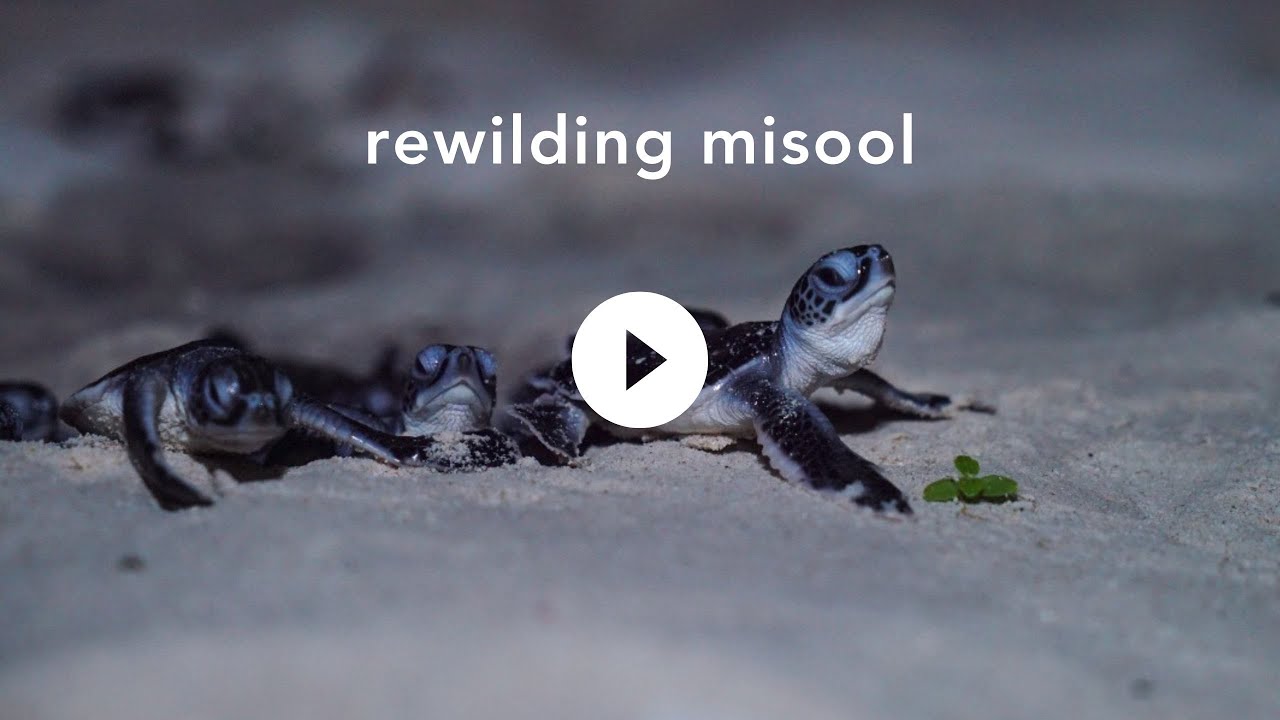
MI
Misool Foundation
Indonesia
NonprofitMisool Foundation’s mission is to safeguard the most biodiverse reefs on earth. We are part of a dynamic ecosystem that gives shelter to marine life, provides livelihoods to coastal communities, and builds hope and resilience against global climate breakdown. Our core programme is the Misool Marine Reserve. The reserve protects 300,000 acres/1220 sq. km in South Raja Ampat, Indonesia. Additionally, the foundation manages the following marine conservation and community programmes: - Misool Ranger Patrol - Bank Sampah Community Recycling - Community Education: High Schools and Kindergarten - Reef Restoration Project - Reef Health Monitoring and Surveys - Misool Community Collaboration Initiative - ReShark As an Indonesian-led, registered charity, and the sister organisation of Misool Resort, we celebrate over 20 years of protection to the Misool Marine Reserve. A commitment between foundation, resort, and community to safeguard the area for now and for future generations.
Project story
Misool Foundation, known as Yayasan Misool Ekosistem Regenerasi in Indonesian, is a registered charity established in 2011 to advance the conservation work initiated by Misool Resort.
Together, we celebrate 20 years of protection, with a focus for foundation, resort, and community to safeguard the Misool Marine Reserve for now and for future generations.
The Misool Marine Reserve gives shelter to an ecosystem containing over 699 species of mollusc, 1,564 described species of reef fish, and over 75% of the world's known coral species. Many critical habitats are found within the area, including:
-shallow lagoons used by black tip reef sharks for breeding as well as pupping
-saltwater mangroves that provide a critical habitat for juvenile reef fish and marine invertebrates
-cleaning stations frequented by manta rays. This is one of the only places on earth where both species of manta (Manta Birostris and Manta Alfredi) can be seen at the same time, sometimes even interacting
-at least three marine lakes that are populated with stingless jellyfish
-anchovy aggregation and squadrons of mobula rays that follow and hunt the anchovies during the South West Monsoon
-pods of cetaceans, comprised of 8 species of whales and 7 species of dolphins; including orcas, false killer whales, Bryde's whales, and the rare Omura whale
Our focus is not only on the protection of the area, but also on the empowerment of the local communities. We provide alternative livelihoods to coastal communities through various programmes:
-Misool Ranger Patrol
-Bank Sampah Community Recycling
-Community Education: High School environmental education programmes
-Community Education: Two fully funded kindergartens in rural communities providing early education opportunities
-Reef Restoration Project
-Reef Health Monitoring and Surveys
-Misool Community Collaborative Initiative
-ReShark
We build hope within our team, the community, visitors to the area, and with our supporters. Our programmes have impact, provide food security, and build resilience against global climate breakdown. Our work safeguards biodiversity for generations to come.
Project updates
Team
Location
Indonesia