Urban forest at Pulchowk Engineering Campus, Lalitpur
Nepal
RestorationLI
Lily's Leaves
Nepal
NonprofitLily's Leaves is a social enterprise founded in October by businesswoman Lily Katuwal KC (hence the organisation's name). Lily is also the CEO. The organisation provides training and employment to vulnerable young women, with a core workforce of young women who are deaf. Since July 2023, Lily's Leaves has been pushing back against rapidly deteriorating air quality in Kathmandu valley, a situation exacerbated by Climate Change. The organisation is unique in running an urban reforestation programme using the rapid-growth 'Miyawaki Method' to transform waste ground into rich forests. These grow ten times quicker that forests planted conventionally, cooling and cleaning the air while restoring biodiversity. To date, seven forests have been planted and two sapling nurseries created to support this and future work. The success is in large part through Lily's ability to marshal support from the authorities and local community, even encouraging the Nepal Army to volunteer their services.
Project story
We are currently seeking funds to allow us to convert 1,500 square metres of waste ground at Pulchowk Engineering Campus in Lalitpur into becoming our eighth urban forest. As per all of our urban forests, this new forest will offer local environmental benefits in cleaning and cooling the air and in restoring biodiversity. But importantly, it is strategically located at this leading Campus and can become an important demonstration site and location for academic study. Therefore, there is huge potential for this to inspire the creation of urban greenery at other locations.
Project updates
Team
Urban forest at Pulchowk Engineering Campus, Lalitpur
Nepal
Restoration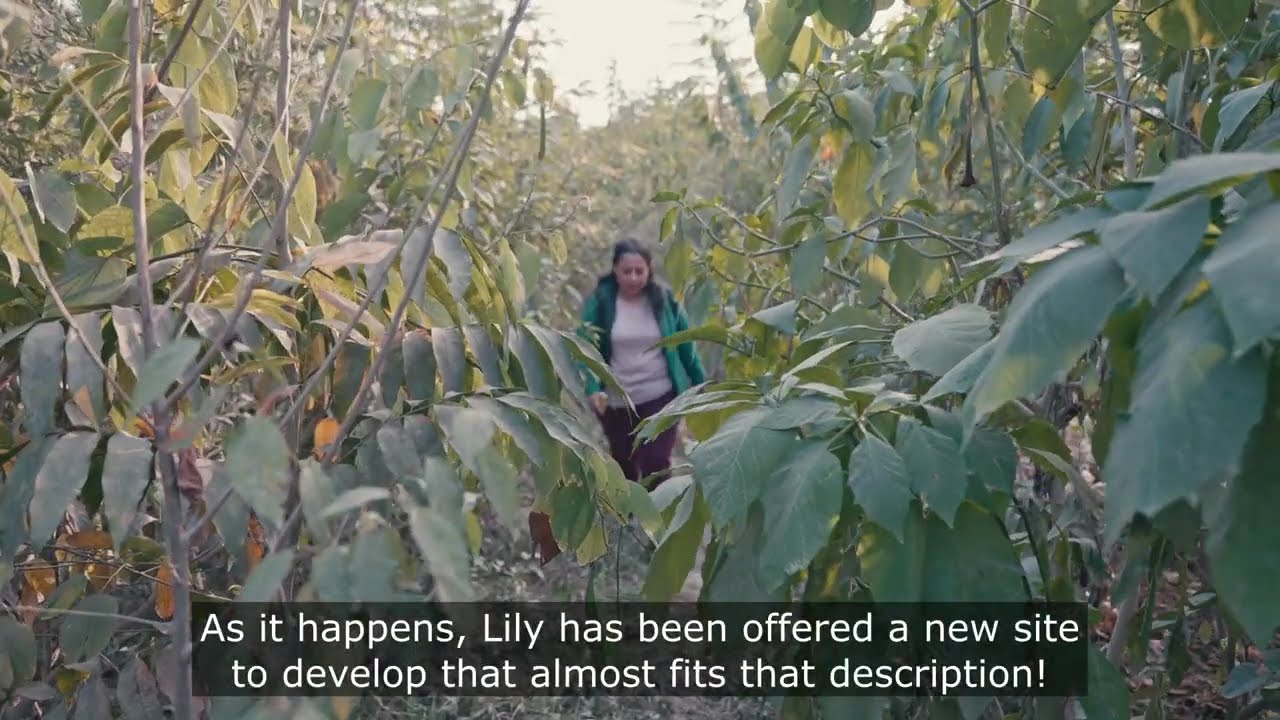
LI
Lily's Leaves
Nepal
NonprofitLily's Leaves is a social enterprise founded in October by businesswoman Lily Katuwal KC (hence the organisation's name). Lily is also the CEO. The organisation provides training and employment to vulnerable young women, with a core workforce of young women who are deaf. Since July 2023, Lily's Leaves has been pushing back against rapidly deteriorating air quality in Kathmandu valley, a situation exacerbated by Climate Change. The organisation is unique in running an urban reforestation programme using the rapid-growth 'Miyawaki Method' to transform waste ground into rich forests. These grow ten times quicker that forests planted conventionally, cooling and cleaning the air while restoring biodiversity. To date, seven forests have been planted and two sapling nurseries created to support this and future work. The success is in large part through Lily's ability to marshal support from the authorities and local community, even encouraging the Nepal Army to volunteer their services.
Project story
We are currently seeking funds to allow us to convert 1,500 square metres of waste ground at Pulchowk Engineering Campus in Lalitpur into becoming our eighth urban forest. As per all of our urban forests, this new forest will offer local environmental benefits in cleaning and cooling the air and in restoring biodiversity. But importantly, it is strategically located at this leading Campus and can become an important demonstration site and location for academic study. Therefore, there is huge potential for this to inspire the creation of urban greenery at other locations.
Project updates
Team
Location
Nepal