From degraded land to thriving ecosystems in Kongwa and Mpwapwa
Tanzania
Restoration, Community, Conservation$3,857
USDTotal funded by 15 donors with matching
LE
LEAD Foundation
Tanzania
NonprofitLEAD Foundation is a purpose-driven local non-governmental organization registered with the Government of Tanzania. LEAD's commitment is to leadership formation, environmental restoration and action for development to improve people's livelihoods and climate change resilience. The organization has proven experience working in arid and semi-arid areas through implementing landscape restoration programs. It has been pioneering ecosystem-based Landscape restoration for more than 12 years, as they have proved to be low-cost, fast, replicable and effective. Principally, the organization undertakes climate-smart agriculture projects using nature-based solutions to restore degraded lands and deteriorating ecosystems.
RE
Regenerosity
California, United States
NonprofitRegenerosity supports and catalyzes grassroots organizations and leaders globally to protect, restore, and regenerate their communities and ecosystems. The organization flows trust-based funds to high-potential, community-based initiatives in threatened or degraded landscapes in ways that grow their capacities, scale and impact. Through its Blossom Program, a two-year capacity strengthening initiative, Regenerosity resources local grassroots organizations to strengthen their capacity and leadership skills while prototyping new models for regional growth. The work prioritizes transformation of food systems and livelihoods through agroecology and regenerative practices led by local communities informed by traditional ecological knowledge.
Project story
The LEAD Foundation has transformed the ecosystem of Pembamoto, Mzase, and Makose villages. Once barren land, it is now a thriving ecosystem. However, an unsustainable income stream poses a threat of turning these areas back into degraded land. This financial prize will act as a necessary means to bridge the gap between environmental recovery and resilient community livelihoods.
The prize money will catalyse a shift from passive land management to a diversified, high-value enterprise centred on hay, seed production, and sustainable beekeeping.
Fodder Security and Storage: Investing in communal hay sheds and baling equipment allows the community to harvest and store surplus fodder. This provides a critical dry-season reserve, ensuring livestock survival and creating a market for in-demand hay.
The Seed Multiplier Effect: Pembamoto has become a reservoir for indigenous grass seeds. The funding will formalise a community-led seed collection and sales venture.
High-Value Beekeeping: The return of diverse flora offers a golden opportunity for honey and beeswax production. Equipping the community with modern beehives establishes a sustainable apiculture trade and introduces a steady, non-destructive income stream.
Protecting the Progress: By creating structured economic incentives for grass, seed, and honey, the community is naturally motivated to actively protect the ecosystems and increase overall ecological health.
Project updates
Team
From degraded land to thriving ecosystems in Kongwa and Mpwapwa
Tanzania
Restoration, Community, Conservation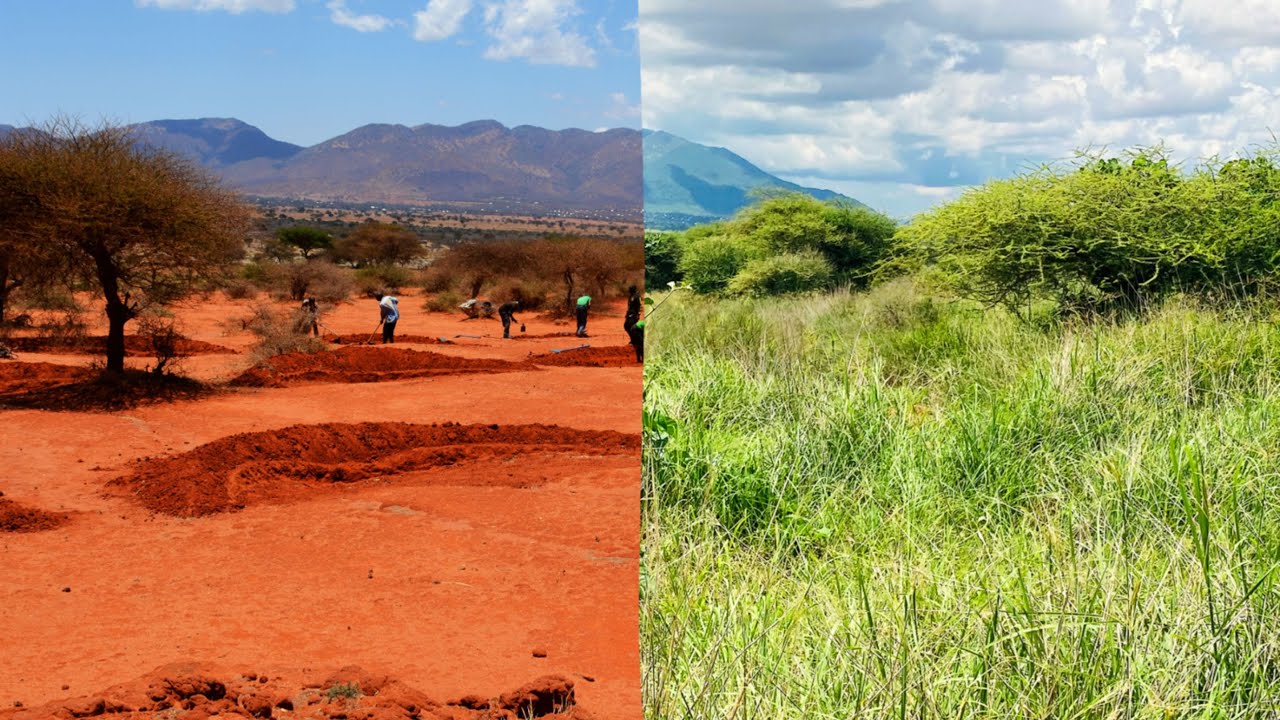
LE
LEAD Foundation
Tanzania
NonprofitLEAD Foundation is a purpose-driven local non-governmental organization registered with the Government of Tanzania. LEAD's commitment is to leadership formation, environmental restoration and action for development to improve people's livelihoods and climate change resilience. The organization has proven experience working in arid and semi-arid areas through implementing landscape restoration programs. It has been pioneering ecosystem-based Landscape restoration for more than 12 years, as they have proved to be low-cost, fast, replicable and effective. Principally, the organization undertakes climate-smart agriculture projects using nature-based solutions to restore degraded lands and deteriorating ecosystems.
RE
Regenerosity
California, United States
NonprofitRegenerosity supports and catalyzes grassroots organizations and leaders globally to protect, restore, and regenerate their communities and ecosystems. The organization flows trust-based funds to high-potential, community-based initiatives in threatened or degraded landscapes in ways that grow their capacities, scale and impact. Through its Blossom Program, a two-year capacity strengthening initiative, Regenerosity resources local grassroots organizations to strengthen their capacity and leadership skills while prototyping new models for regional growth. The work prioritizes transformation of food systems and livelihoods through agroecology and regenerative practices led by local communities informed by traditional ecological knowledge.
Trusted by
Project story
The LEAD Foundation has transformed the ecosystem of Pembamoto, Mzase, and Makose villages. Once barren land, it is now a thriving ecosystem. However, an unsustainable income stream poses a threat of turning these areas back into degraded land. This financial prize will act as a necessary means to bridge the gap between environmental recovery and resilient community livelihoods.
The prize money will catalyse a shift from passive land management to a diversified, high-value enterprise centred on hay, seed production, and sustainable beekeeping.
Fodder Security and Storage: Investing in communal hay sheds and baling equipment allows the community to harvest and store surplus fodder. This provides a critical dry-season reserve, ensuring livestock survival and creating a market for in-demand hay.
The Seed Multiplier Effect: Pembamoto has become a reservoir for indigenous grass seeds. The funding will formalise a community-led seed collection and sales venture.
High-Value Beekeeping: The return of diverse flora offers a golden opportunity for honey and beeswax production. Equipping the community with modern beehives establishes a sustainable apiculture trade and introduces a steady, non-destructive income stream.
Protecting the Progress: By creating structured economic incentives for grass, seed, and honey, the community is naturally motivated to actively protect the ecosystems and increase overall ecological health.
Project updates
Team
This project was part of Round 3
$3,857
USDTotal funded by
Activity
Location
Tanzania
This project was part of
Round 3
Jul 1-21, 2026
Supporting community-led nature projects around the world.
Matching funds provided by


