Enhancing productivity of Bigodi wetland through regenerative bee keeping.
Uganda
Conservation$5,996
USDTotal funded by 15 donors with matching
KI
Kibale Ass'n For Rural and Environmental Development (KAFRED)
Uganda
NonprofitKAFRED is a grassroot and community based Non-Governmental Organization (NGO) located in Kamwenge District in western Uganda. The Organisation was founded in 1992 in response to the intense pressure exerted on the fringes of Kibale Forest National Park, particularly the Bigodi wetlands corridor which connects two sections of the park. KAFRED focuses on Biodiversity conservation through promoting ecotourism and other environmentally sustainable alternative enterprises that enhance the conservation of Bigodi wetland sanctuary. The wetland is mainly constituted of papyrus that covers a stretch of 8 km and is an important wildlife corridor home to a rich biological diversity, with over 200 bird and 8 primate species, including endangered species such as; Grey crowned cranes, Eastern chimpanzees, red colobus monkey and the Ugandan Mangabey; other primates are baboons and Black and white colobus monkeys, Red tailed monkeys, L’Hoest’s monkeys and vervets, among others.
RE
Regenerosity
California, United States
NonprofitRegenerosity supports and catalyzes grassroots organizations and leaders globally to protect, restore, and regenerate their communities and ecosystems. The organization flows trust-based funds to high-potential, community-based initiatives in threatened or degraded landscapes in ways that grow their capacities, scale and impact. Through its Blossom Program, a two-year capacity strengthening initiative, Regenerosity resources local grassroots organizations to strengthen their capacity and leadership skills while prototyping new models for regional growth. The work prioritizes transformation of food systems and livelihoods through agroecology and regenerative practices led by local communities informed by traditional ecological knowledge.
Project story
KAFRED protects Bigodi Wetland, hosting 8 primates and 200+ birds, through conservation. To foster human-wildlife coexistence, regenerative agriculture has been adopted to restore landscapes, plant trees, and minimizes synthetic use. Funding will establish community apiaries within the buffer zone to boost pollination, generate independent income, and naturally deter crop-raiding primates
Project need
Healthy soils, thriving forests, productive crops, and pollinators are the foundation of resilient ecosystems and sustainable agriculture. Unlike modern industrial farming that relies on chemical sprays, at KAFRED we harness the power of synergy to protect crops and nurture environment. This project explores a unique ecosystem where bees pollinate coffee plants, and in turn, coffee provides nectar for the bees. The forest provides shelter for the bees and contributes to pest resistance in the surrounding coffee plants, creating a healthy environment for everyone.
Without bees, ecosystems weaken, biodiversity declines, and agricultural productivity is significantly reduced. Protecting bee populations is therefore essential for maintaining ecological balance, enhancing coffee production, and sustaining the livelihoods of communities that depend on agriculture
However, bee populations are on the verge of extinction due to the increasing use of synthetic chemicals. Their numbers have drastically declined, posing a significant threat to biodiversity and ecosystem stability. The decline in bee populations has also contributed to reduced crop yields due to decreased pollination services. Through our regenerative agriculture campaign, KAFRED has been advocating for zero tolerance to synthetic chemicals and promoting farming practices that restore biodiversity, protect ecosystems, and support sustainable agricultural production..
Description
Climate Change Mitigation and Biodiversity Conservation: Considering that we are surrounded by fragile ecosystems, including Kibale National Park and the Bigodi Wetland, the integration of agroforestry provides an opportunity to support ecosystem restoration while improving household incomes. This approach contributes to addressing biodiversity loss, mitigating climate change, and reducing poverty by promoting sustainable land use practices and creating livelihood opportunities for local communities.
Chemical reduction: After recognizing the threats that agrochemical use poses to our environment, promoting regenerative farming practices has become a necessary pathway towards restoring and protecting natural habitats. These practices support the sustainable use of land resources, improve soil health, and enhance ecosystem resilience. This also supports global Sustainable Development Goals related to good health and community wellbeing, climate action, and life on land.
Biodiversity Conservation: Honey is emerging as another growing income earner for the economy. This product has the potential to support communities by providing an alternative source of revenue for people living around these protected areas. Beekeeping supports pollination, thrives under forest vegetation, and has a wide-open market. Bee fences have been used in many protected areas, including KNP, to deter elephants from raiding people’s crops.
Bees play an important role in ecosystem stabilization. They pollinate a wide range of plants, trees, and shrubs, including coffee, which is expected to improve yields and maximize production on these farms. Coffee serves as one of the important buffer crops around protected areas, providing communities with a sustainable livelihood option while reducing pressure on natural forests through conservation-friendly farming practices.
Beekeeping will contribute to income generation and strengthen the organization’s capacity to sustain conservation efforts. Forest honey is recognized as one of the best honey products in the world, providing an opportunity to establish a high-quality product that can attract buyers and generate revenue.
In addition, beekeeping will support the recovery of declining bee populations, which have been affected by the increasing application of synthetic chemicals, thereby promoting healthier ecosystems.
Project Impact
The project is expected to directly benefit 40 households/farmers especially those sharing boundary protected within Bigodi Town Council through sustainable beekeeping, regenerative agriculture practices, and alternative income-generating opportunities. Through the establishment of demonstration apiaries and community capacity building, farmers will gain practical skills in sustainable beekeeping and environmentally friendly farming practices. This will improve household incomes while strengthening community participation in biodiversity conservation.
Beyond the direct beneficiaries, the project will indirectly benefit approximately 300 community members through improved ecosystem services, increased crop productivity, enhanced pollination, and restoration of declining bee populations. By strengthening the relationship between bees, coffee, forests, and communities, the project will contribute to climate resilience, sustainable livelihoods, and long-term protection of the fragile ecosystems surrounding Kibale National Park and the Bigodi Wetland Sanctuary.
Project Approach
Through this project KAFRED will establish 4 in-house apiaries, with each apiary located in one of the parishes/wards that make up Bigodi Town Council and having a capacity of 50 beehives. These apiaries will serve as educational centers where farmers, students, researchers, conservation practitioners, and other stakeholders can gain practical knowledge about sustainable beekeeping, pollination, regenerative agriculture, and biodiversity conservation. Through these learning spaces, KAFRED will promote awareness and demonstrate the important relationship between bees, coffee, forests, and people while encouraging practices that protect ecosystems and support sustainable livelihoods.
Project updates
Team
Donations (19)
Enhancing productivity of Bigodi wetland through regenerative bee keeping.
Uganda
Conservation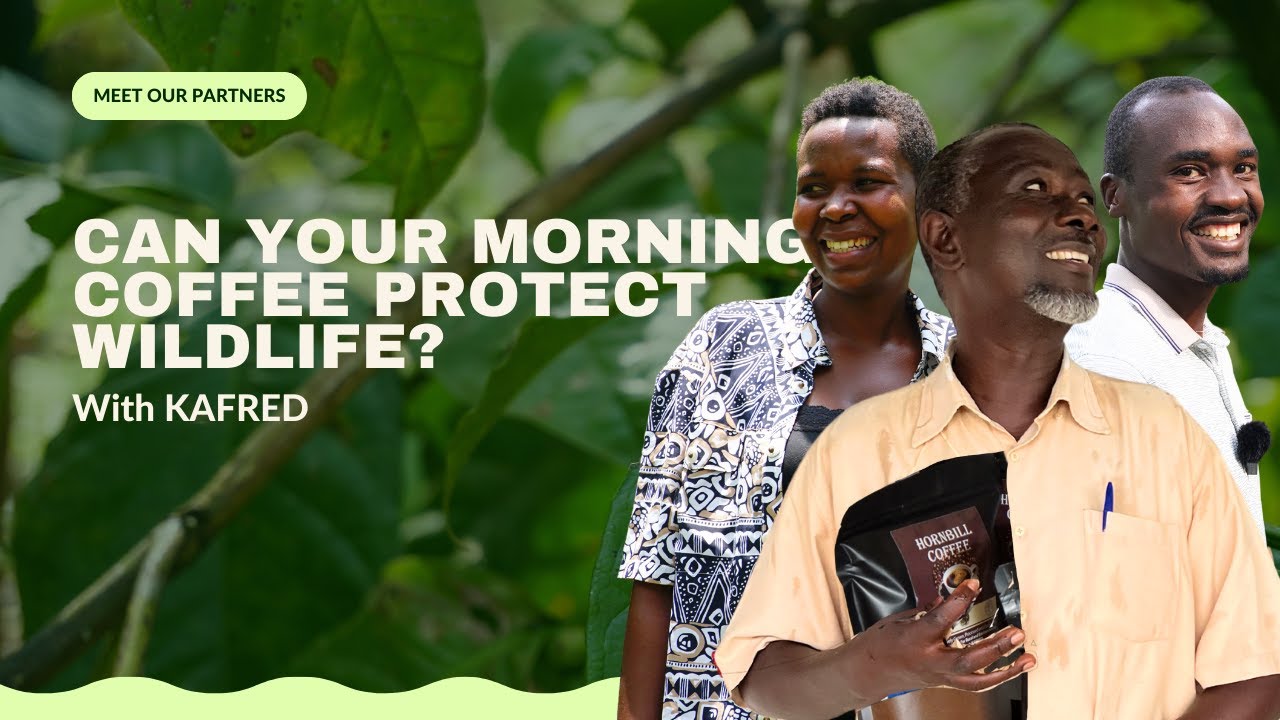
KI
KAFRED is a grassroot and community based Non-Governmental Organization (NGO) located in Kamwenge District in western Uganda. The Organisation was founded in 1992 in response to the intense pressure exerted on the fringes of Kibale Forest National Park, particularly the Bigodi wetlands corridor which connects two sections of the park. KAFRED focuses on Biodiversity conservation through promoting ecotourism and other environmentally sustainable alternative enterprises that enhance the conservation of Bigodi wetland sanctuary. The wetland is mainly constituted of papyrus that covers a stretch of 8 km and is an important wildlife corridor home to a rich biological diversity, with over 200 bird and 8 primate species, including endangered species such as; Grey crowned cranes, Eastern chimpanzees, red colobus monkey and the Ugandan Mangabey; other primates are baboons and Black and white colobus monkeys, Red tailed monkeys, L’Hoest’s monkeys and vervets, among others.
Trusted by
RE
Regenerosity
California, United States
NonprofitRegenerosity supports and catalyzes grassroots organizations and leaders globally to protect, restore, and regenerate their communities and ecosystems. The organization flows trust-based funds to high-potential, community-based initiatives in threatened or degraded landscapes in ways that grow their capacities, scale and impact. Through its Blossom Program, a two-year capacity strengthening initiative, Regenerosity resources local grassroots organizations to strengthen their capacity and leadership skills while prototyping new models for regional growth. The work prioritizes transformation of food systems and livelihoods through agroecology and regenerative practices led by local communities informed by traditional ecological knowledge.
Trusted by
Project story
KAFRED protects Bigodi Wetland, hosting 8 primates and 200+ birds, through conservation. To foster human-wildlife coexistence, regenerative agriculture has been adopted to restore landscapes, plant trees, and minimizes synthetic use. Funding will establish community apiaries within the buffer zone to boost pollination, generate independent income, and naturally deter crop-raiding primates
Project need
Healthy soils, thriving forests, productive crops, and pollinators are the foundation of resilient ecosystems and sustainable agriculture. Unlike modern industrial farming that relies on chemical sprays, at KAFRED we harness the power of synergy to protect crops and nurture environment. This project explores a unique ecosystem where bees pollinate coffee plants, and in turn, coffee provides nectar for the bees. The forest provides shelter for the bees and contributes to pest resistance in the surrounding coffee plants, creating a healthy environment for everyone.
Without bees, ecosystems weaken, biodiversity declines, and agricultural productivity is significantly reduced. Protecting bee populations is therefore essential for maintaining ecological balance, enhancing coffee production, and sustaining the livelihoods of communities that depend on agriculture
However, bee populations are on the verge of extinction due to the increasing use of synthetic chemicals. Their numbers have drastically declined, posing a significant threat to biodiversity and ecosystem stability. The decline in bee populations has also contributed to reduced crop yields due to decreased pollination services. Through our regenerative agriculture campaign, KAFRED has been advocating for zero tolerance to synthetic chemicals and promoting farming practices that restore biodiversity, protect ecosystems, and support sustainable agricultural production..
Description
Climate Change Mitigation and Biodiversity Conservation: Considering that we are surrounded by fragile ecosystems, including Kibale National Park and the Bigodi Wetland, the integration of agroforestry provides an opportunity to support ecosystem restoration while improving household incomes. This approach contributes to addressing biodiversity loss, mitigating climate change, and reducing poverty by promoting sustainable land use practices and creating livelihood opportunities for local communities.
Chemical reduction: After recognizing the threats that agrochemical use poses to our environment, promoting regenerative farming practices has become a necessary pathway towards restoring and protecting natural habitats. These practices support the sustainable use of land resources, improve soil health, and enhance ecosystem resilience. This also supports global Sustainable Development Goals related to good health and community wellbeing, climate action, and life on land.
Biodiversity Conservation: Honey is emerging as another growing income earner for the economy. This product has the potential to support communities by providing an alternative source of revenue for people living around these protected areas. Beekeeping supports pollination, thrives under forest vegetation, and has a wide-open market. Bee fences have been used in many protected areas, including KNP, to deter elephants from raiding people’s crops.
Bees play an important role in ecosystem stabilization. They pollinate a wide range of plants, trees, and shrubs, including coffee, which is expected to improve yields and maximize production on these farms. Coffee serves as one of the important buffer crops around protected areas, providing communities with a sustainable livelihood option while reducing pressure on natural forests through conservation-friendly farming practices.
Beekeeping will contribute to income generation and strengthen the organization’s capacity to sustain conservation efforts. Forest honey is recognized as one of the best honey products in the world, providing an opportunity to establish a high-quality product that can attract buyers and generate revenue.
In addition, beekeeping will support the recovery of declining bee populations, which have been affected by the increasing application of synthetic chemicals, thereby promoting healthier ecosystems.
Project Impact
The project is expected to directly benefit 40 households/farmers especially those sharing boundary protected within Bigodi Town Council through sustainable beekeeping, regenerative agriculture practices, and alternative income-generating opportunities. Through the establishment of demonstration apiaries and community capacity building, farmers will gain practical skills in sustainable beekeeping and environmentally friendly farming practices. This will improve household incomes while strengthening community participation in biodiversity conservation.
Beyond the direct beneficiaries, the project will indirectly benefit approximately 300 community members through improved ecosystem services, increased crop productivity, enhanced pollination, and restoration of declining bee populations. By strengthening the relationship between bees, coffee, forests, and communities, the project will contribute to climate resilience, sustainable livelihoods, and long-term protection of the fragile ecosystems surrounding Kibale National Park and the Bigodi Wetland Sanctuary.
Project Approach
Through this project KAFRED will establish 4 in-house apiaries, with each apiary located in one of the parishes/wards that make up Bigodi Town Council and having a capacity of 50 beehives. These apiaries will serve as educational centers where farmers, students, researchers, conservation practitioners, and other stakeholders can gain practical knowledge about sustainable beekeeping, pollination, regenerative agriculture, and biodiversity conservation. Through these learning spaces, KAFRED will promote awareness and demonstrate the important relationship between bees, coffee, forests, and people while encouraging practices that protect ecosystems and support sustainable livelihoods.
Project updates
Team
This project was part of Round 3
$5,996
USDTotal funded by
Activity
Location
Uganda
This project was part of
Round 3
Jul 1-21, 2026
Supporting community-led nature projects around the world.
Matching funds provided by


