CORRIDORS FOR LIFE
São Paulo, Brazil
Restoration, Conservation, CommunityIP
IPE- Instituto de Pesquisas Ecológicas
Brazil
NonprofitThe Institute for Ecological Research (IPÊ) was founded more than 30 years ago with a simple but powerful mission: to create practical solutions that connect biodiversity conservation, climate resilience, and human well-being. Working across some of Brazil’s most threatened ecosystems, IPÊ has become internationally recognized for combining science, environmental restoration, and community engagement to protect landscapes that are critical for both people and nature. One of our flagship initiatives is the Corridors for Life Project in the Atlantic Forest — one of the world’s most biodiverse and endangered tropical forests. Today, less than 12% of the original Atlantic Forest remains, highly fragmented by decades of deforestation, agriculture, infrastructure expansion, and unsustainable land use. This fragmentation threatens endangered wildlife, reduces water security, weakens climate resilience, and limits the ability of forests to capture and store carbon.
This project was selected as a RestorLife Awards finalist

Project story
To date, the work of the Institute for Ecological Research (IPÊ) and the Corridors for Life Project has generated measurable climate, biodiversity, and community impacts across the Atlantic Forest.
Through large-scale ecological restoration and conservation initiatives, IPÊ and its partners have contributed to the restoration and protection of thousands of hectares of degraded land and forest remnants, helping reconnect fragmented habitats in one of the world’s most threatened biodiversity hotspots. These restoration efforts directly support carbon sequestration, watershed protection, soil recovery, and long-term climate resilience.
Key environmental benefits delivered to date include:
Restoration and conservation of thousands of hectares of Atlantic Forest landscapes through ecological corridor strategies that reconnect isolated forest fragments and improve ecosystem functionality.
Planting and natural regeneration of hundreds of thousands of native trees, increasing carbon storage capacity and supporting long-term climate mitigation goals.
Protection and recovery of habitat for globally threatened species such as the black lion tamarin, jaguar, tapir, and numerous endemic bird and amphibian species that depend on connected forest landscapes for survival.
Implementation of long-term biodiversity monitoring programs using camera traps, bioacoustics, and scientific field surveys to measure wildlife recovery and ecosystem health over time.
Strengthening of ecosystem services essential for local communities, including improved water quality, erosion control, pollination, and increased resilience to climate extremes.
Engagement of local landowners, rural communities, students, and restoration workers through environmental education, technical training, and community-based conservation programs that create lasting stewardship of restored landscapes.
Within the Corridors for Life initiative specifically, restoration activities are designed not only to increase forest cover but also to maximize integrated Climate, Community, and Biodiversity (CCB) value. By reconnecting landscapes and improving ecological integrity, the project contributes simultaneously to carbon sequestration, biodiversity conservation, and improved livelihoods for local communities.
In addition, IPÊ’s science-based monitoring protocols provide transparent and credible evidence of environmental outcomes. The organization has become a recognized leader in demonstrating how nature-based solutions can generate measurable biodiversity gains while supporting climate mitigation and community resilience at landscape scale.
Project updates
Team
CORRIDORS FOR LIFE
São Paulo, Brazil
Restoration, Conservation, Community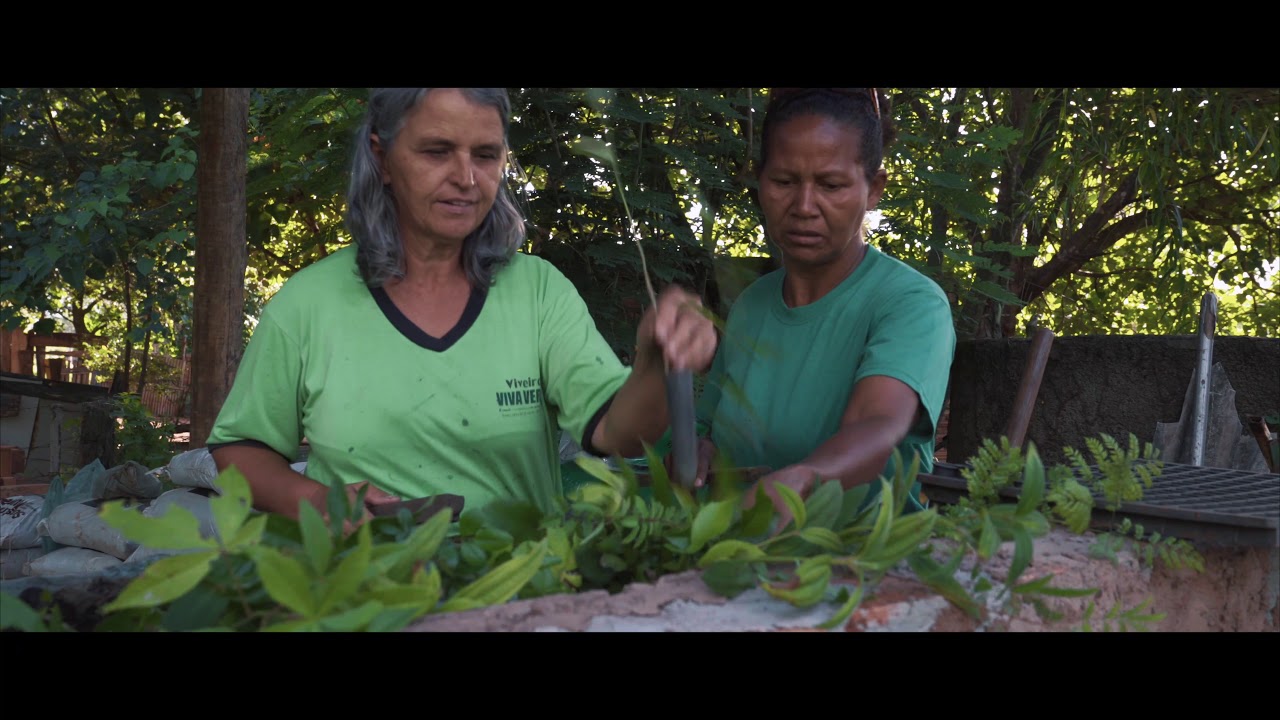
IP
IPE- Instituto de Pesquisas Ecológicas
Brazil
NonprofitThe Institute for Ecological Research (IPÊ) was founded more than 30 years ago with a simple but powerful mission: to create practical solutions that connect biodiversity conservation, climate resilience, and human well-being. Working across some of Brazil’s most threatened ecosystems, IPÊ has become internationally recognized for combining science, environmental restoration, and community engagement to protect landscapes that are critical for both people and nature. One of our flagship initiatives is the Corridors for Life Project in the Atlantic Forest — one of the world’s most biodiverse and endangered tropical forests. Today, less than 12% of the original Atlantic Forest remains, highly fragmented by decades of deforestation, agriculture, infrastructure expansion, and unsustainable land use. This fragmentation threatens endangered wildlife, reduces water security, weakens climate resilience, and limits the ability of forests to capture and store carbon.
This project was selected as a RestorLife Awards finalist

Project story
To date, the work of the Institute for Ecological Research (IPÊ) and the Corridors for Life Project has generated measurable climate, biodiversity, and community impacts across the Atlantic Forest.
Through large-scale ecological restoration and conservation initiatives, IPÊ and its partners have contributed to the restoration and protection of thousands of hectares of degraded land and forest remnants, helping reconnect fragmented habitats in one of the world’s most threatened biodiversity hotspots. These restoration efforts directly support carbon sequestration, watershed protection, soil recovery, and long-term climate resilience.
Key environmental benefits delivered to date include:
Restoration and conservation of thousands of hectares of Atlantic Forest landscapes through ecological corridor strategies that reconnect isolated forest fragments and improve ecosystem functionality.
Planting and natural regeneration of hundreds of thousands of native trees, increasing carbon storage capacity and supporting long-term climate mitigation goals.
Protection and recovery of habitat for globally threatened species such as the black lion tamarin, jaguar, tapir, and numerous endemic bird and amphibian species that depend on connected forest landscapes for survival.
Implementation of long-term biodiversity monitoring programs using camera traps, bioacoustics, and scientific field surveys to measure wildlife recovery and ecosystem health over time.
Strengthening of ecosystem services essential for local communities, including improved water quality, erosion control, pollination, and increased resilience to climate extremes.
Engagement of local landowners, rural communities, students, and restoration workers through environmental education, technical training, and community-based conservation programs that create lasting stewardship of restored landscapes.
Within the Corridors for Life initiative specifically, restoration activities are designed not only to increase forest cover but also to maximize integrated Climate, Community, and Biodiversity (CCB) value. By reconnecting landscapes and improving ecological integrity, the project contributes simultaneously to carbon sequestration, biodiversity conservation, and improved livelihoods for local communities.
In addition, IPÊ’s science-based monitoring protocols provide transparent and credible evidence of environmental outcomes. The organization has become a recognized leader in demonstrating how nature-based solutions can generate measurable biodiversity gains while supporting climate mitigation and community resilience at landscape scale.
Project updates
Team
Location
São Paulo, Brazil
This project was part of
Round 3
Jul 1-21, 2026
Supporting community-led nature projects around the world.
Matching funds provided by


