“Forest Friends: Restoring Wildlife Corridors in Osa”
Costa Rica
Restoration$15,597
USDTotal funded by 73 donors with matching
FU
Fundación Saimiri
Costa Rica
NonprofitOur grassroots organization was founded by Costa Rican primatologist Daniela Solano to protect the forests and primates of the Osa Peninsula, one of the most biodiverse regions on Earth. This landscape faces deforestation, habitat fragmentation, and the loss of native tree species critical for endangered wildlife such as the Central American squirrel monkey. Through our community-led “Forest Friends” and “Adopt a Tree” programs, we work with local landowners, women’s groups, guides, and students to restore biological corridors by planting native and endangered tree species that provide food and habitat for wildlife. We prioritize species used by primates and monitor tree survival over time to ensure long-term restoration success. Our restoration model also strengthens the local green economy. We purchase trees from a women-led local nursery and train local community members to participate in tree planting and restoration activities, generating income and environmental awareness at th
LA
Lands for Biological Diversity
Illinois, United States
NonprofitLands for Biological Diversity acquires, protects, restores and conserves natural areas containing endangered and threatened flora and fauna, focusing on saving the tropical rainforest of the Osa Peninsula and its unique wildlife through partnership with BioSur Foundation in Costa Rica. The organization serves as a platform where rural communities of the Osa Peninsula work with conservationists, helping local communities thrive through eco-tourism and environmental conservation.
Project story
In the Osa Peninsula of Costa Rica, one of the most biodiverse places on Earth, forests that once connected wildlife habitats are becoming increasingly fragmented by development, roads, and land-use change. For endangered species such as the Central American squirrel monkey, these fragmented landscapes make it harder to find food, move safely, and survive long term.
Our organization was created to respond to this challenge through community-led restoration. We work directly with local landowners, women’s groups, students, guides, and families to restore biological corridors by planting native and endangered tree species that provide food and shelter for wildlife. To date, we have planted more than 11,000 trees across 14 properties on both public and private land.
What makes our work unique is that restoration is also a tool for strengthening the local green economy. We purchase trees from a women-led nursery and train and employ local community members to participate in planting, maintenance, and monitoring activities. In a region where conservation jobs are limited, restoration creates meaningful opportunities for people to become active guardians of their ecosystems.
Our long-term goal is to expand habitat connectivity for wildlife while building a restoration network led by local communities. Funding from this project would help us scale up tree planting, support local labor, improve long-term monitoring of restoration sites, and strengthen the survival of planted trees.
One of our biggest challenges is securing stable funding for the human work behind restoration. While tree donations are sometimes available, labor for planting, maintenance, and follow-up care is often difficult to fund. This support would help us continue building a model where ecological restoration and community wellbeing grow together.
Project updates
Team
“Forest Friends: Restoring Wildlife Corridors in Osa”
Costa Rica
Restoration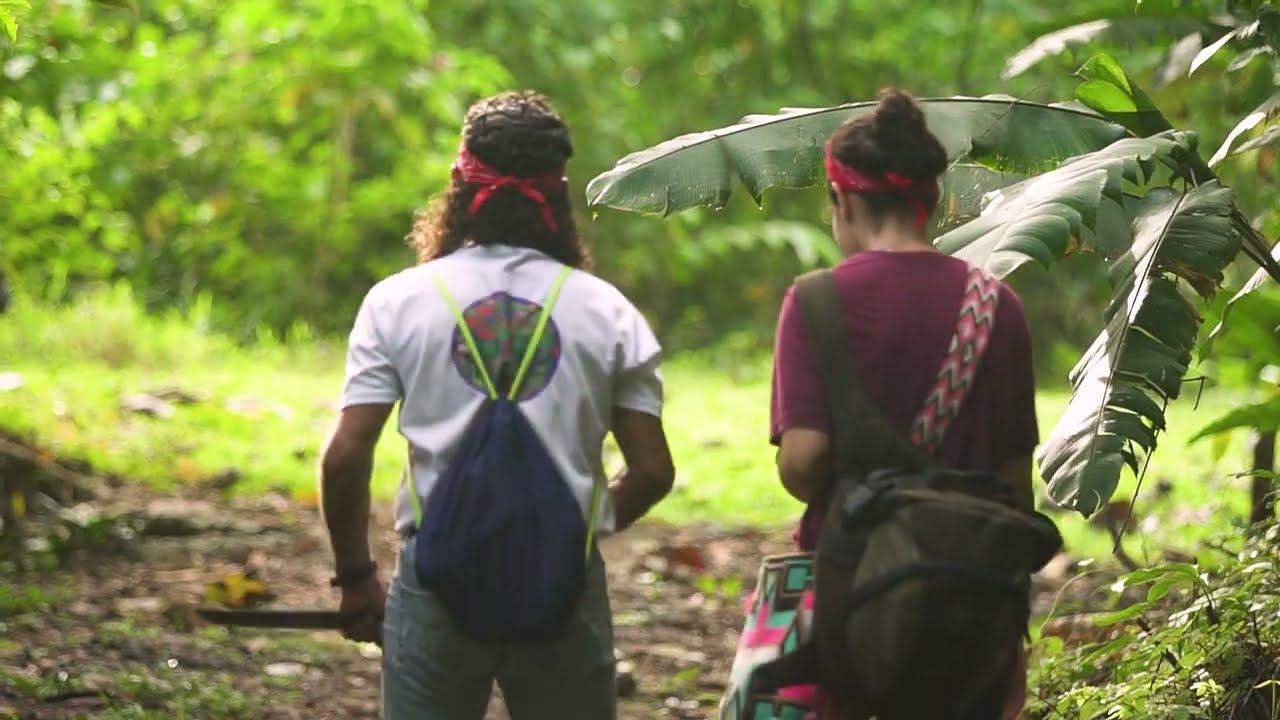
FU
Fundación Saimiri
Costa Rica
NonprofitOur grassroots organization was founded by Costa Rican primatologist Daniela Solano to protect the forests and primates of the Osa Peninsula, one of the most biodiverse regions on Earth. This landscape faces deforestation, habitat fragmentation, and the loss of native tree species critical for endangered wildlife such as the Central American squirrel monkey. Through our community-led “Forest Friends” and “Adopt a Tree” programs, we work with local landowners, women’s groups, guides, and students to restore biological corridors by planting native and endangered tree species that provide food and habitat for wildlife. We prioritize species used by primates and monitor tree survival over time to ensure long-term restoration success. Our restoration model also strengthens the local green economy. We purchase trees from a women-led local nursery and train local community members to participate in tree planting and restoration activities, generating income and environmental awareness at th
LA
Lands for Biological Diversity
Illinois, United States
NonprofitLands for Biological Diversity acquires, protects, restores and conserves natural areas containing endangered and threatened flora and fauna, focusing on saving the tropical rainforest of the Osa Peninsula and its unique wildlife through partnership with BioSur Foundation in Costa Rica. The organization serves as a platform where rural communities of the Osa Peninsula work with conservationists, helping local communities thrive through eco-tourism and environmental conservation.
Project story
In the Osa Peninsula of Costa Rica, one of the most biodiverse places on Earth, forests that once connected wildlife habitats are becoming increasingly fragmented by development, roads, and land-use change. For endangered species such as the Central American squirrel monkey, these fragmented landscapes make it harder to find food, move safely, and survive long term.
Our organization was created to respond to this challenge through community-led restoration. We work directly with local landowners, women’s groups, students, guides, and families to restore biological corridors by planting native and endangered tree species that provide food and shelter for wildlife. To date, we have planted more than 11,000 trees across 14 properties on both public and private land.
What makes our work unique is that restoration is also a tool for strengthening the local green economy. We purchase trees from a women-led nursery and train and employ local community members to participate in planting, maintenance, and monitoring activities. In a region where conservation jobs are limited, restoration creates meaningful opportunities for people to become active guardians of their ecosystems.
Our long-term goal is to expand habitat connectivity for wildlife while building a restoration network led by local communities. Funding from this project would help us scale up tree planting, support local labor, improve long-term monitoring of restoration sites, and strengthen the survival of planted trees.
One of our biggest challenges is securing stable funding for the human work behind restoration. While tree donations are sometimes available, labor for planting, maintenance, and follow-up care is often difficult to fund. This support would help us continue building a model where ecological restoration and community wellbeing grow together.
Project updates
Team
Location
Costa Rica
This project was part of
Round 3
Jul 1-21, 2026
Supporting community-led nature projects around the world.
Matching funds provided by


