Biocultural Neoecosystems: Analog Forests & Community Restoration
Argentina
RestorationCA
Casa Rio Lab
Provincia de Buenos Aires, Argentina
NonprofitCasa Río Lab is an interdisciplinary platform working at the intersection of ecology, art, agroecology, and community innovation across the Río de la Plata coast and Pampas ecosystems in Argentina. We collaborate with producers, researchers, institutions, and local communities to develop biocultural restoration, agroecological transition, and regenerative territorial models. Our work integrates analog forestry, productive neoecosystems, participatory restoration, environmental governance, and public engagement through initiatives such as the Gran La Plata Biocultural Ring, strengthening biodiversity, local livelihoods, and climate resilience.
Project story
Project Story
Across the Río de la Plata coast and Pampas ecosystems in Argentina, productive landscapes, wetlands, and native biodiversity are under growing pressure from urban expansion, ecological degradation, and the loss of traditional ecological knowledge.
Our project develops community-led productive neoecosystems that reconnect agroecology, ecological restoration, and local livelihoods. Working with a cooperative network of producers, researchers, and communities, we support winegrowers and agroecological producers in transitioning toward regenerative practices adapted to estuarine, grassland, and riparian environments.
A core part of our work is the creation of analog forest systems inspired by the Paraná riparian rainforest and native Pampas ecologies, integrating biodiversity recovery with sustainable production and landscape stewardship.
Funds raised through this campaign will support pilot restoration and analog forestry actions, producer training, community workshops, participatory restoration, and activities within the Gran La Plata Biocultural Ring initiative, strengthening environmental governance, community engagement, and territorial resilience.
Our goal is to demonstrate that restoration is not separate from productive life: communities, biodiversity, and regenerative economies can grow together, creating viable alternatives to environmental degradation, urban pressure, and biodiversity loss.
Project updates
Team
Biocultural Neoecosystems: Analog Forests & Community Restoration
Argentina
Restoration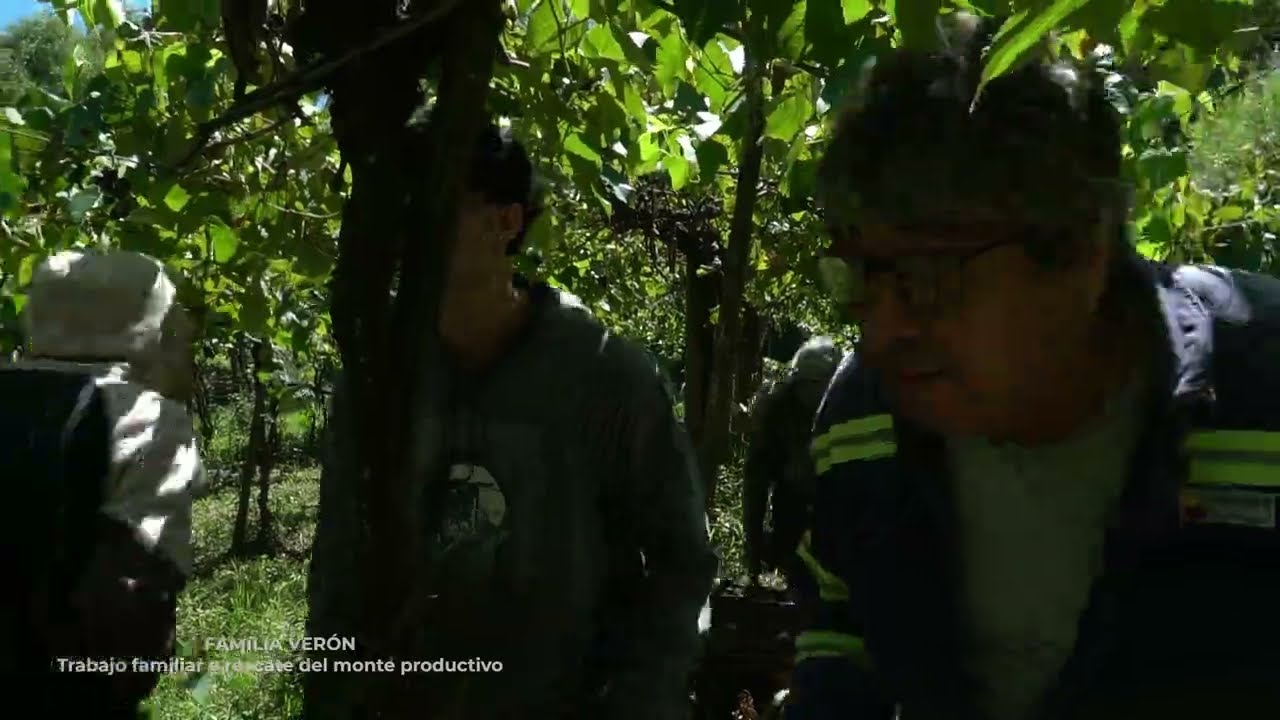
CA
Casa Rio Lab
Provincia de Buenos Aires, Argentina
NonprofitCasa Río Lab is an interdisciplinary platform working at the intersection of ecology, art, agroecology, and community innovation across the Río de la Plata coast and Pampas ecosystems in Argentina. We collaborate with producers, researchers, institutions, and local communities to develop biocultural restoration, agroecological transition, and regenerative territorial models. Our work integrates analog forestry, productive neoecosystems, participatory restoration, environmental governance, and public engagement through initiatives such as the Gran La Plata Biocultural Ring, strengthening biodiversity, local livelihoods, and climate resilience.
Project story
Project Story
Across the Río de la Plata coast and Pampas ecosystems in Argentina, productive landscapes, wetlands, and native biodiversity are under growing pressure from urban expansion, ecological degradation, and the loss of traditional ecological knowledge.
Our project develops community-led productive neoecosystems that reconnect agroecology, ecological restoration, and local livelihoods. Working with a cooperative network of producers, researchers, and communities, we support winegrowers and agroecological producers in transitioning toward regenerative practices adapted to estuarine, grassland, and riparian environments.
A core part of our work is the creation of analog forest systems inspired by the Paraná riparian rainforest and native Pampas ecologies, integrating biodiversity recovery with sustainable production and landscape stewardship.
Funds raised through this campaign will support pilot restoration and analog forestry actions, producer training, community workshops, participatory restoration, and activities within the Gran La Plata Biocultural Ring initiative, strengthening environmental governance, community engagement, and territorial resilience.
Our goal is to demonstrate that restoration is not separate from productive life: communities, biodiversity, and regenerative economies can grow together, creating viable alternatives to environmental degradation, urban pressure, and biodiversity loss.
Project updates
Team
Location
Argentina