Agave Restoration Initiative: Restoring a Nectar Corridor for Bats & People
Mexico
Restoration, Conservation, CommunityBA
Bat Conservation International
Texas, United States
NonprofitBat Conservation International (BCI) is a nonprofit dedicated to ending bat extinctions globally. Bats are vital to our world's ecosystems and economy, but many species are threatened with extinction. With a passionate team of expert conservationists and scientists, BCI takes a four-pronged approach to conservation: 1) Implementing targeted measures to prevent bat extinctions. 2) Protecting and restoring ecosystems. 3) Conducting innovative research to develop scalable solutions. 4) Inspiring action through public engagement. Through an integrated approach to linking biodiversity conservation with human well-being, BCI addresses key threats to bats, including habitat loss, roost disturbance, hunting, and persecution, while simultaneously supporting communities and livelihoods. By prioritizing habitat protection, ecosystem restoration, and sustainable natural resource management, this work provides numerous social-ecological benefits and helps bats and people thrive together.
Project story
Our Mission
Bat Conservation International’s (BCI’s) Agave Restoration Initiative is the world’s first landscape-scale restoration effort for migratory nectar-feeding bats. We are restoring a 1,200-km, climate-resilient agave “nectar corridor” to recover bat populations, regenerate degraded lands, and support community livelihoods closely tied to these plants. We are driving systemic change across agave landscapes through a systems-based approach that integrates agave restoration, regenerative agriculture and ranching, and sustainable rural development.
Background and Problem Statement
Three species of migratory pollinating bats – including the endangered Mexican long-nosed bat (Leptonycteris nivalis) – are facing rapid declines due to loss and fragmentation of agave plants that fuel the migrations of pregnant mothers and ensure their survival and raising of their pups. For millennia, agave plants have also supported the cultures and livelihoods of Indigenous peoples and rural communities across Mexico and the Southwest United States. They are valued for food and drink products, livestock forage, traditional materials, and rural enterprise, and they are also ecological keystones that stabilize soils, reduce erosion, protect water resources, and sustain wildlife.
Unfortunately, agave habitat is under threat from unsustainable grazing and agriculture, direct harvest, wildfire, drought, and climate change. Ongoing agave loss and fragmentation threaten both bats and the rural communities that depend on healthy agave landscapes. With fewer than 10,000 Mexican long-nosed bats remaining, restoring agaves across this bi-national corridor is critical for species recovery and for the rural communities tied to these plants.
Our Approach
Rather than treating restoration as a set of isolated sites, the Agave Restoration Initiative is designed around what migratory wildlife need: functional corridors across jurisdictions, land tenure systems, and ecosystems. By restoring keystone agave plants across a connected bi-national landscape, the Initiative offers a practical model for cross-border restoration that advances ecosystem recovery, migratory species conservation, and rural resilience together.
With over 100 partners including ejido communities, Tribes, private landowners, NGOs, government agencies, universities, and industry we establish community nurseries for agave restoration and local food security; grow native agaves from locally-collected seeds; plant agaves in priority bat areas; restore degraded lands through regenerative agriculture, grazing, and soil and water conservation practices; develop community green businesses that enhance agave habitat; and build local capacity through trainings in regenerative practices and ecological monitoring, peer-to-peer learning, and environmental education.
What We’ve Achieved So Far
Since launching in 2018 and across 14 Mexican and U.S. states, we have:
Planted over 185,000 agaves in key nectar bat migratory areas;
Restored or protected over 5,800 hectares of degraded land;
Established 26 community and NGO nurseries;
Supported 21 community green businesses that sustain native agave habitat for nectar bats and livelihoods.
Our Vision for the Next 5 Years
Over the next 5 years, we will: plant over 300,000 agaves; restore or implement sustainable land management across 115,000 hectares; strengthen long-term conservation with over 30 communities, private landowners, and government agencies through voluntary mechanisms and integration with protected area management plans; and expand native agave production capacity to support corridor-scale restoration.
Learn More!
Visit our website to learn more about the Agave Restoration Initiative: https://batcon.org/agaverestoration
Check us out on BBC StoryWork’s Living Legacy Series: https://www.bbc.com/storyworks/specials/living-legacy/the-extraordinary-flight-of-the-mexican-long-nosed-bat/
And on Science Friday: https://www.sciencefriday.com/segments/bats-agave-pollinator-monarch-migration-tracking/
Project updates
Team
Agave Restoration Initiative: Restoring a Nectar Corridor for Bats & People
Mexico
Restoration, Conservation, Community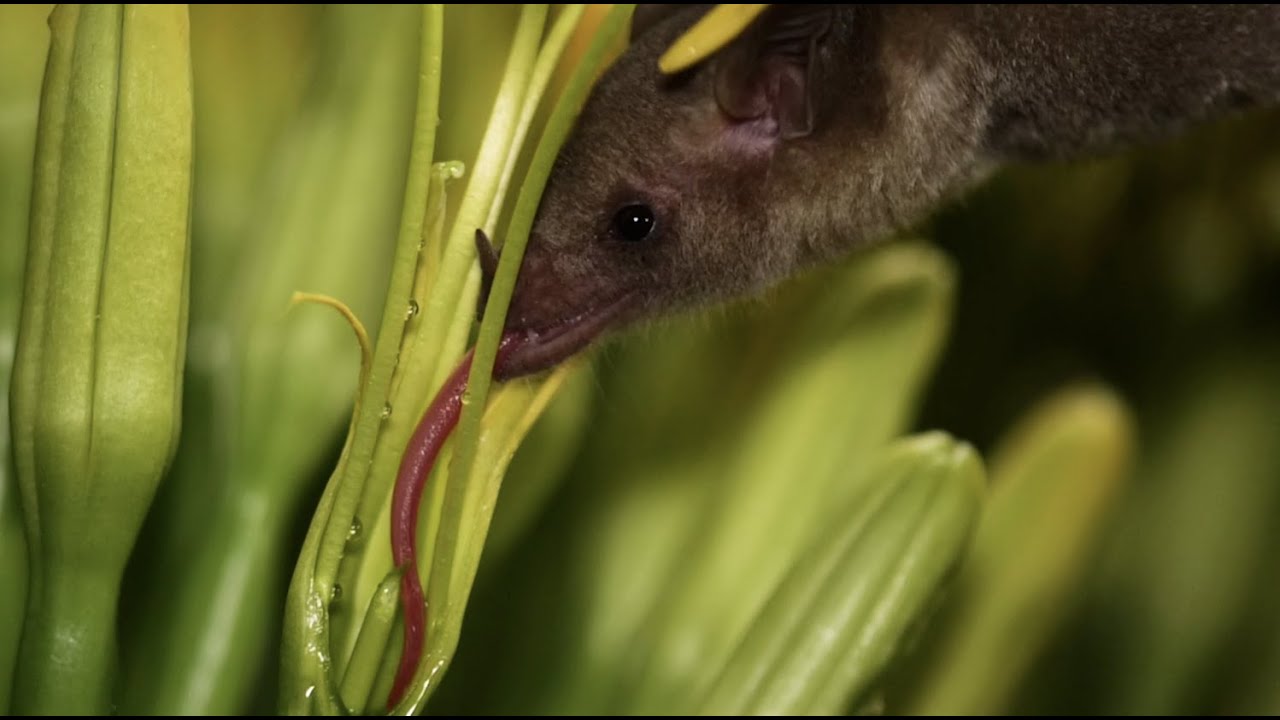
BA
Bat Conservation International
Texas, United States
NonprofitBat Conservation International (BCI) is a nonprofit dedicated to ending bat extinctions globally. Bats are vital to our world's ecosystems and economy, but many species are threatened with extinction. With a passionate team of expert conservationists and scientists, BCI takes a four-pronged approach to conservation: 1) Implementing targeted measures to prevent bat extinctions. 2) Protecting and restoring ecosystems. 3) Conducting innovative research to develop scalable solutions. 4) Inspiring action through public engagement. Through an integrated approach to linking biodiversity conservation with human well-being, BCI addresses key threats to bats, including habitat loss, roost disturbance, hunting, and persecution, while simultaneously supporting communities and livelihoods. By prioritizing habitat protection, ecosystem restoration, and sustainable natural resource management, this work provides numerous social-ecological benefits and helps bats and people thrive together.
Project story
Our Mission
Bat Conservation International’s (BCI’s) Agave Restoration Initiative is the world’s first landscape-scale restoration effort for migratory nectar-feeding bats. We are restoring a 1,200-km, climate-resilient agave “nectar corridor” to recover bat populations, regenerate degraded lands, and support community livelihoods closely tied to these plants. We are driving systemic change across agave landscapes through a systems-based approach that integrates agave restoration, regenerative agriculture and ranching, and sustainable rural development.
Background and Problem Statement
Three species of migratory pollinating bats – including the endangered Mexican long-nosed bat (Leptonycteris nivalis) – are facing rapid declines due to loss and fragmentation of agave plants that fuel the migrations of pregnant mothers and ensure their survival and raising of their pups. For millennia, agave plants have also supported the cultures and livelihoods of Indigenous peoples and rural communities across Mexico and the Southwest United States. They are valued for food and drink products, livestock forage, traditional materials, and rural enterprise, and they are also ecological keystones that stabilize soils, reduce erosion, protect water resources, and sustain wildlife.
Unfortunately, agave habitat is under threat from unsustainable grazing and agriculture, direct harvest, wildfire, drought, and climate change. Ongoing agave loss and fragmentation threaten both bats and the rural communities that depend on healthy agave landscapes. With fewer than 10,000 Mexican long-nosed bats remaining, restoring agaves across this bi-national corridor is critical for species recovery and for the rural communities tied to these plants.
Our Approach
Rather than treating restoration as a set of isolated sites, the Agave Restoration Initiative is designed around what migratory wildlife need: functional corridors across jurisdictions, land tenure systems, and ecosystems. By restoring keystone agave plants across a connected bi-national landscape, the Initiative offers a practical model for cross-border restoration that advances ecosystem recovery, migratory species conservation, and rural resilience together.
With over 100 partners including ejido communities, Tribes, private landowners, NGOs, government agencies, universities, and industry we establish community nurseries for agave restoration and local food security; grow native agaves from locally-collected seeds; plant agaves in priority bat areas; restore degraded lands through regenerative agriculture, grazing, and soil and water conservation practices; develop community green businesses that enhance agave habitat; and build local capacity through trainings in regenerative practices and ecological monitoring, peer-to-peer learning, and environmental education.
What We’ve Achieved So Far
Since launching in 2018 and across 14 Mexican and U.S. states, we have:
Planted over 185,000 agaves in key nectar bat migratory areas;
Restored or protected over 5,800 hectares of degraded land;
Established 26 community and NGO nurseries;
Supported 21 community green businesses that sustain native agave habitat for nectar bats and livelihoods.
Our Vision for the Next 5 Years
Over the next 5 years, we will: plant over 300,000 agaves; restore or implement sustainable land management across 115,000 hectares; strengthen long-term conservation with over 30 communities, private landowners, and government agencies through voluntary mechanisms and integration with protected area management plans; and expand native agave production capacity to support corridor-scale restoration.
Learn More!
Visit our website to learn more about the Agave Restoration Initiative: https://batcon.org/agaverestoration
Check us out on BBC StoryWork’s Living Legacy Series: https://www.bbc.com/storyworks/specials/living-legacy/the-extraordinary-flight-of-the-mexican-long-nosed-bat/
And on Science Friday: https://www.sciencefriday.com/segments/bats-agave-pollinator-monarch-migration-tracking/
Project updates
Team
Location
Mexico