The Sundarbans Ecovillage in Bangladesh
Bangladesh
RestorationBA
Bangladesh Environment and Development Society (BEDS)
Bangladesh
NonprofitThe Bangladesh Environment and Development Society (BEDS) is a leading community-based non-profit organization dedicated to solving environmental and social challenges in Bangladesh since 2010, and it is globally and nationally recognized such as receiving the prestigious Equator Prize in 2024 and the top National Environment Award of Bangladesh in 2022, along with several other national and international recognitions. The long vision is to promote harmony between people and nature. BEDS works hand in hand with local communities—respecting indigenous knowledge, culture, and ecological wisdom—to restore ecosystems and strengthen resilience.
Project story
The Sundarbans Ecovillage initiative by BEDS (Bangladesh Environment and Development Society) is an exemplary model of combining environmental sustainability with community development. It has made notable progress in mangrove conservation and restoration through education, eco-friendly livelihoods, renewable energy, and the provision of safe drinking water. The initiative also promotes community based conservation tourism and integrates agriculture, forestry and fisheries by respecting indegenous knowledge and culture in the Sundarbans coastal region of Bangladesh
Project updates
Team
The Sundarbans Ecovillage in Bangladesh
Bangladesh
Restoration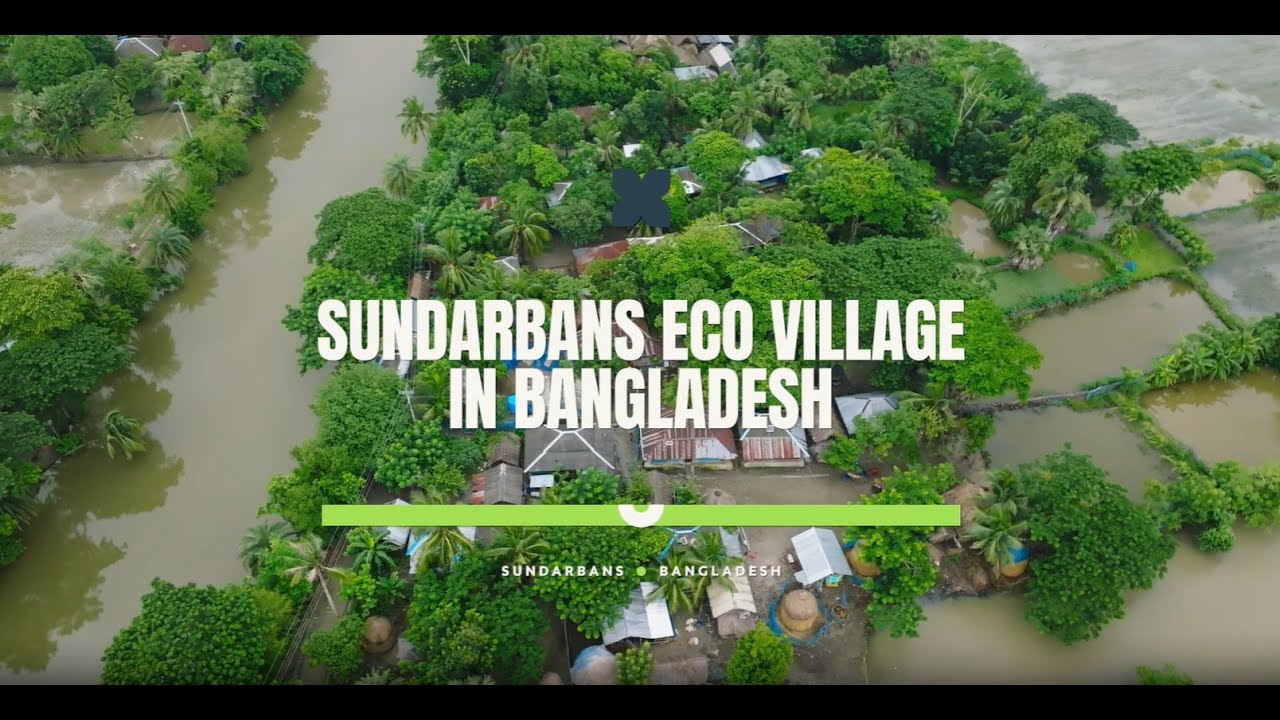
BA
Bangladesh Environment and Development Society (BEDS)
Bangladesh
NonprofitThe Bangladesh Environment and Development Society (BEDS) is a leading community-based non-profit organization dedicated to solving environmental and social challenges in Bangladesh since 2010, and it is globally and nationally recognized such as receiving the prestigious Equator Prize in 2024 and the top National Environment Award of Bangladesh in 2022, along with several other national and international recognitions. The long vision is to promote harmony between people and nature. BEDS works hand in hand with local communities—respecting indigenous knowledge, culture, and ecological wisdom—to restore ecosystems and strengthen resilience.
Project story
The Sundarbans Ecovillage initiative by BEDS (Bangladesh Environment and Development Society) is an exemplary model of combining environmental sustainability with community development. It has made notable progress in mangrove conservation and restoration through education, eco-friendly livelihoods, renewable energy, and the provision of safe drinking water. The initiative also promotes community based conservation tourism and integrates agriculture, forestry and fisheries by respecting indegenous knowledge and culture in the Sundarbans coastal region of Bangladesh
Project updates
Team
Location
Bangladesh